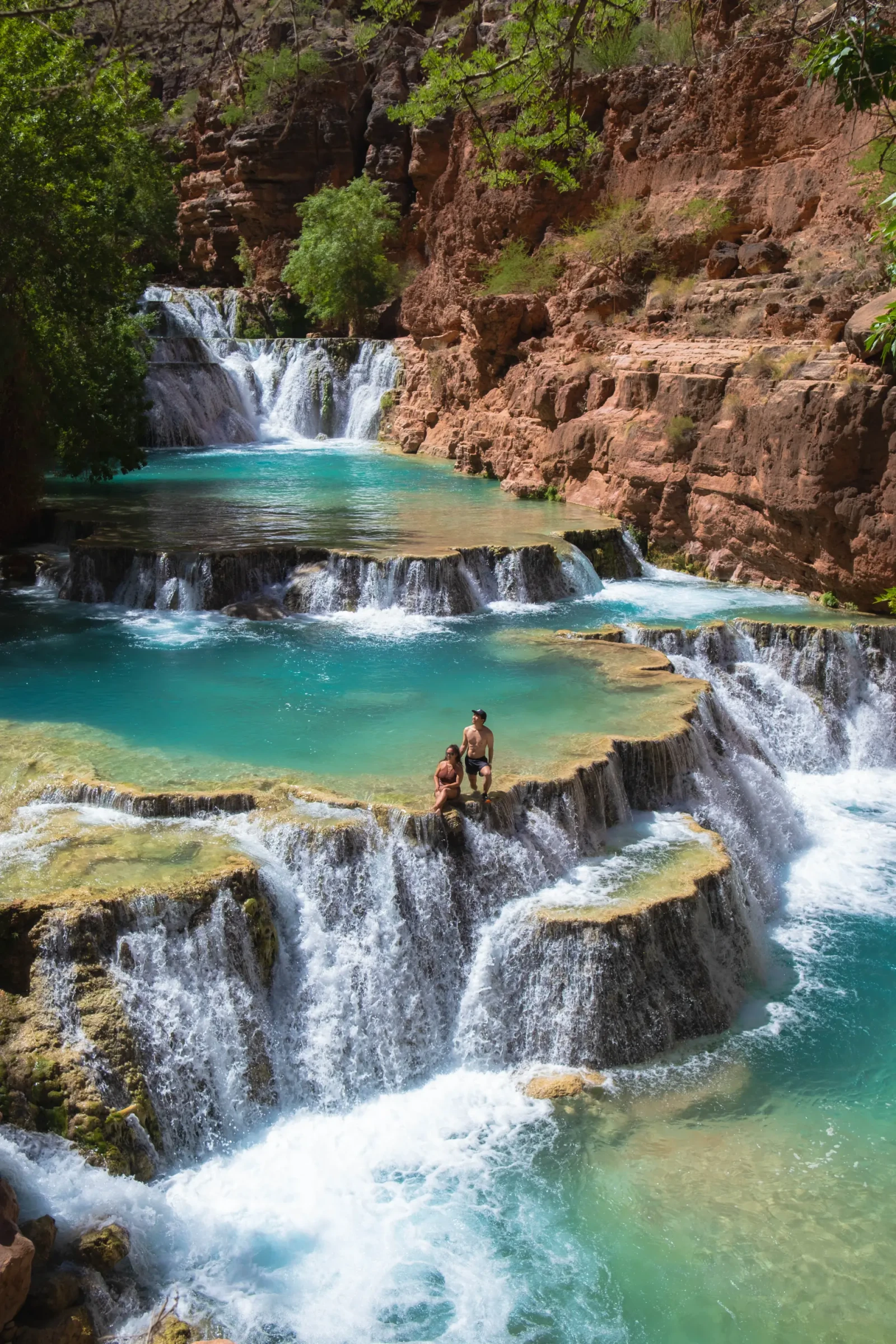
HAVASU FALLS
Havasupai Trip Report (4 Days, 40 Miles): Turquoise Water, Long Miles, and One Late Night Climb
Four days in Havasupai brought turquoise waterfalls, canyon miles, and unforgettable hikes to Beaver Falls and the Colorado River.
Havasupai sits deep within a remote side canyon of the Grand Canyon and is home to the Havasupai Tribe—whose name translates to “people of the blue-green water.” It’s best known for its surreal turquoise waterfalls flowing through red rock desert, creating a landscape that feels almost unreal.
This trip covered 4 days and roughly 35–40 miles total, with a mix of steady hiking, river crossings, and long canyon days:
- Day 1: ~10 miles hiking into camp
- Day 2: ~8–10 miles round trip to Beaver Falls
- Day 3: ~16–18 miles round trip to the Colorado River (Confluence)
- Day 4: ~10 miles hiking out
Permits are required and notoriously competitive, and all visitors must camp within the designated campground between Havasu Falls and Mooney Falls.
The trail itself isn’t technical, but the distance, heat, and exposure make it a moderately challenging backpacking trip. What balances it out is constant access to cool, clear water and some of the most rewarding scenery in the Southwest.
The trip starts early, with headlights cutting through the desert on the drive to the trailhead. There’s a quiet kind of anticipation—you know what’s down there, but you still have to earn it.
The descent into Havasu Canyon begins with a series of switchbacks before flattening out into a long, steady stretch. It’s not a hard hike in terms of terrain, but the distance makes itself known. It’s the kind of trail where patience matters more than speed. And then, eventually, the canyon changes. You start to see hints of green. The air feels slightly cooler. And then the water appears—bright, almost glowing turquoise cutting through the canyon floor. It doesn’t look real at first.
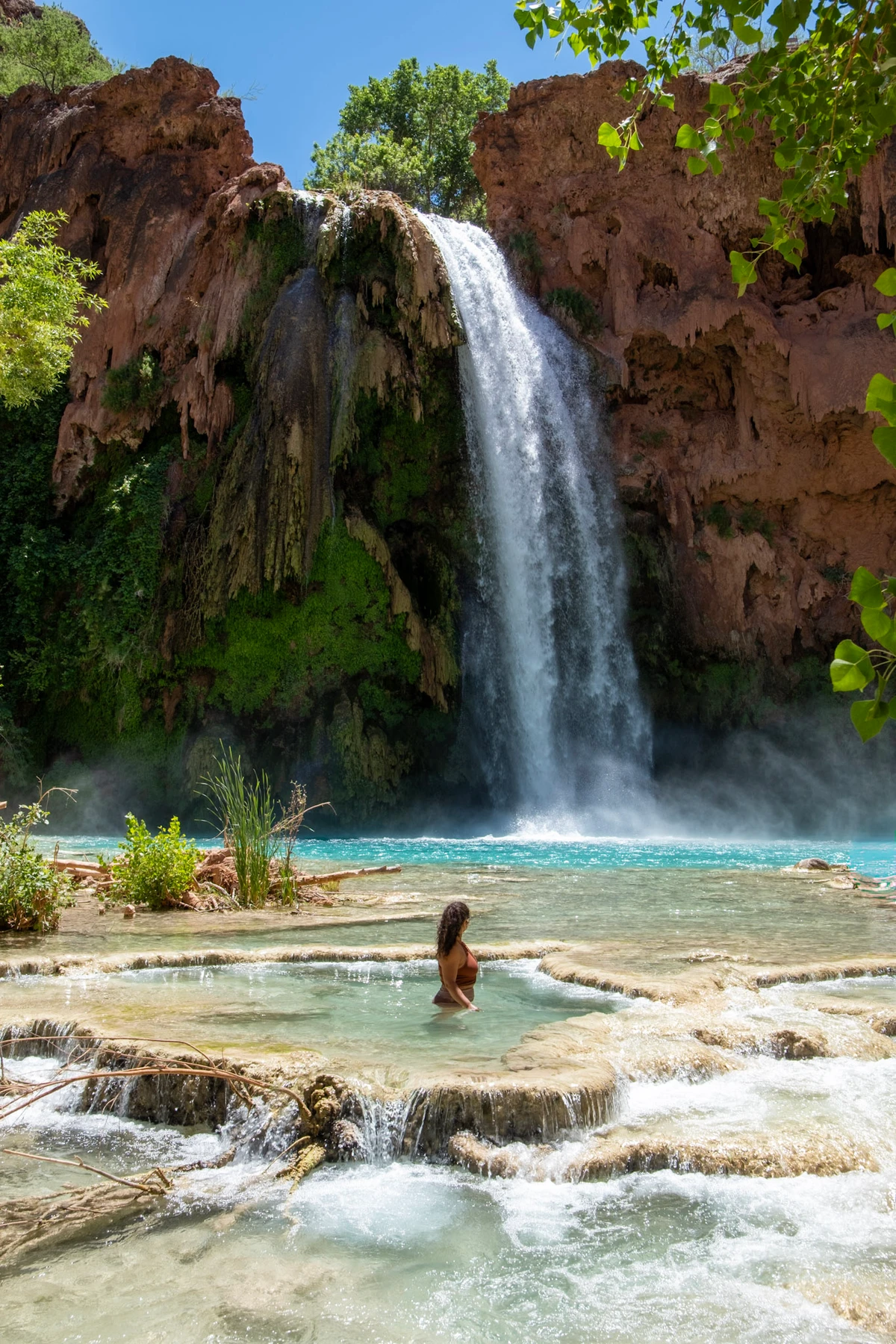
It’s the kind of color you expect from editing, not something you see with your own eyes. We passed through the village and continued toward the campground, setting up closer to Mooney Falls. That section felt quieter, a little more tucked away, and closer to where we’d be spending most of our time over the next couple days.
After dropping our packs and setting up camp, we kept things simple. No rushing, no overplanning—just heading out to catch sunset. The canyon walls lit up in deep reds and golds, contrasting against the blue water below. It’s one of those moments where everything slows down naturally. No need to chase anything. Just being there was enough.
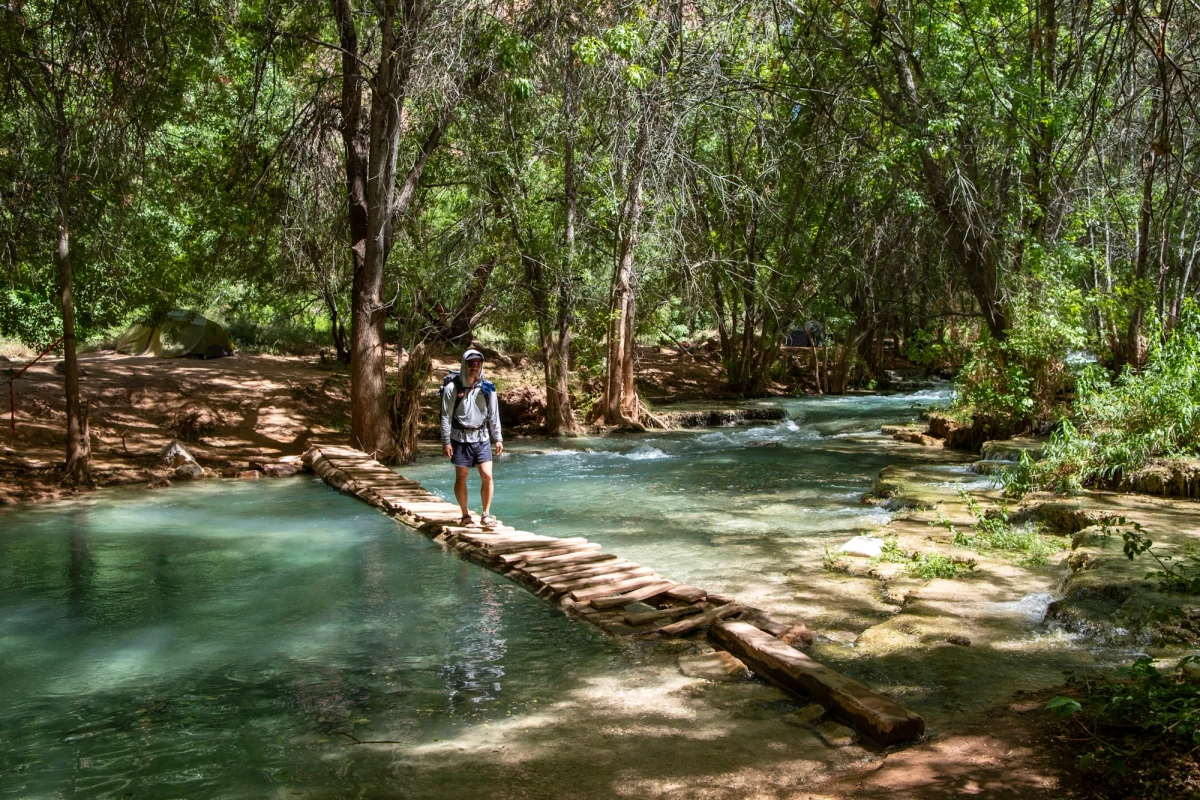
Day two was all about heading deeper into the canyon toward Beaver Falls. This stretch of trail is where things start to feel more adventurous. It’s not just a straight path—you’re navigating around canyon walls, crossing water, and paying attention to where you’re stepping. It keeps things engaging without ever feeling overwhelming.
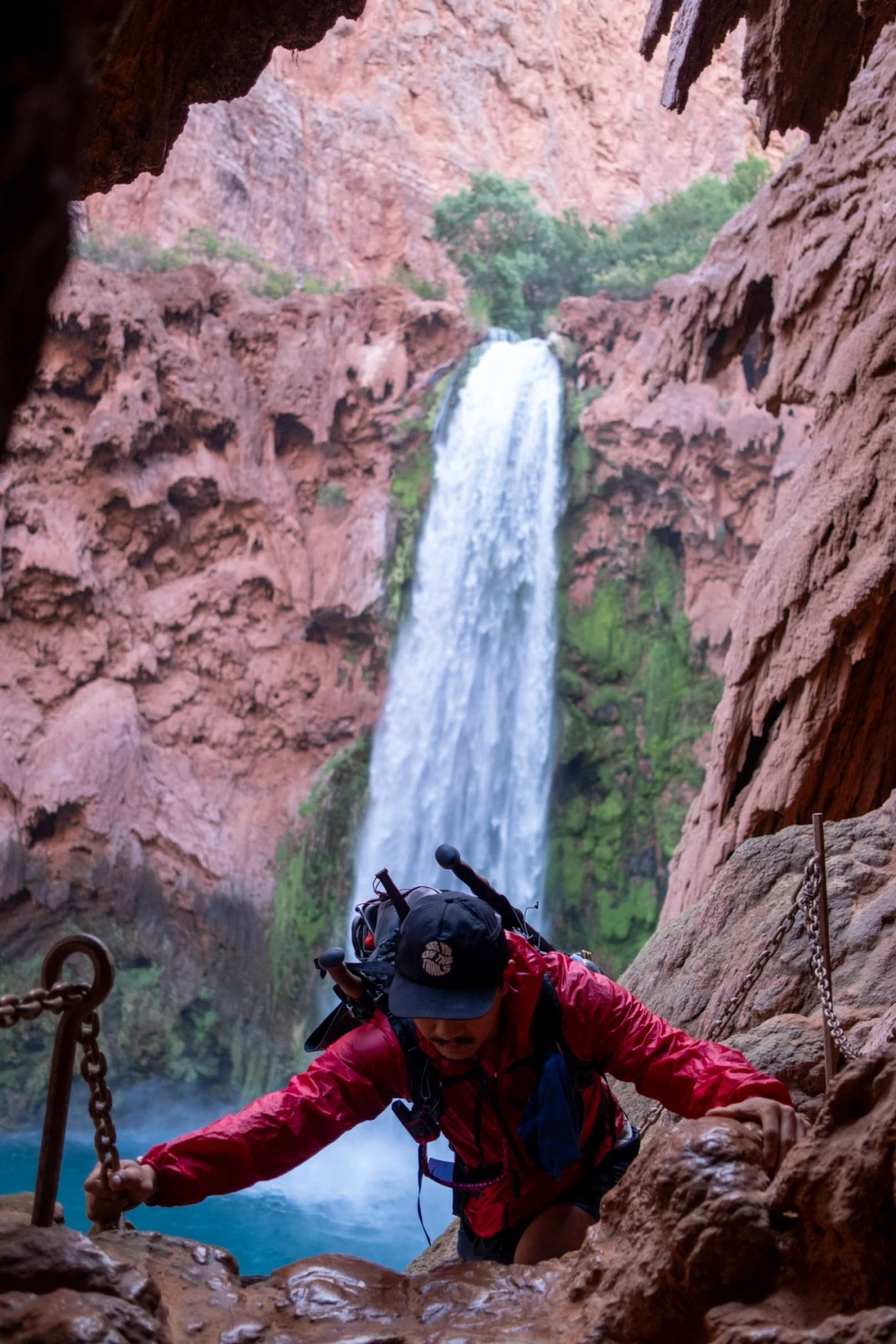
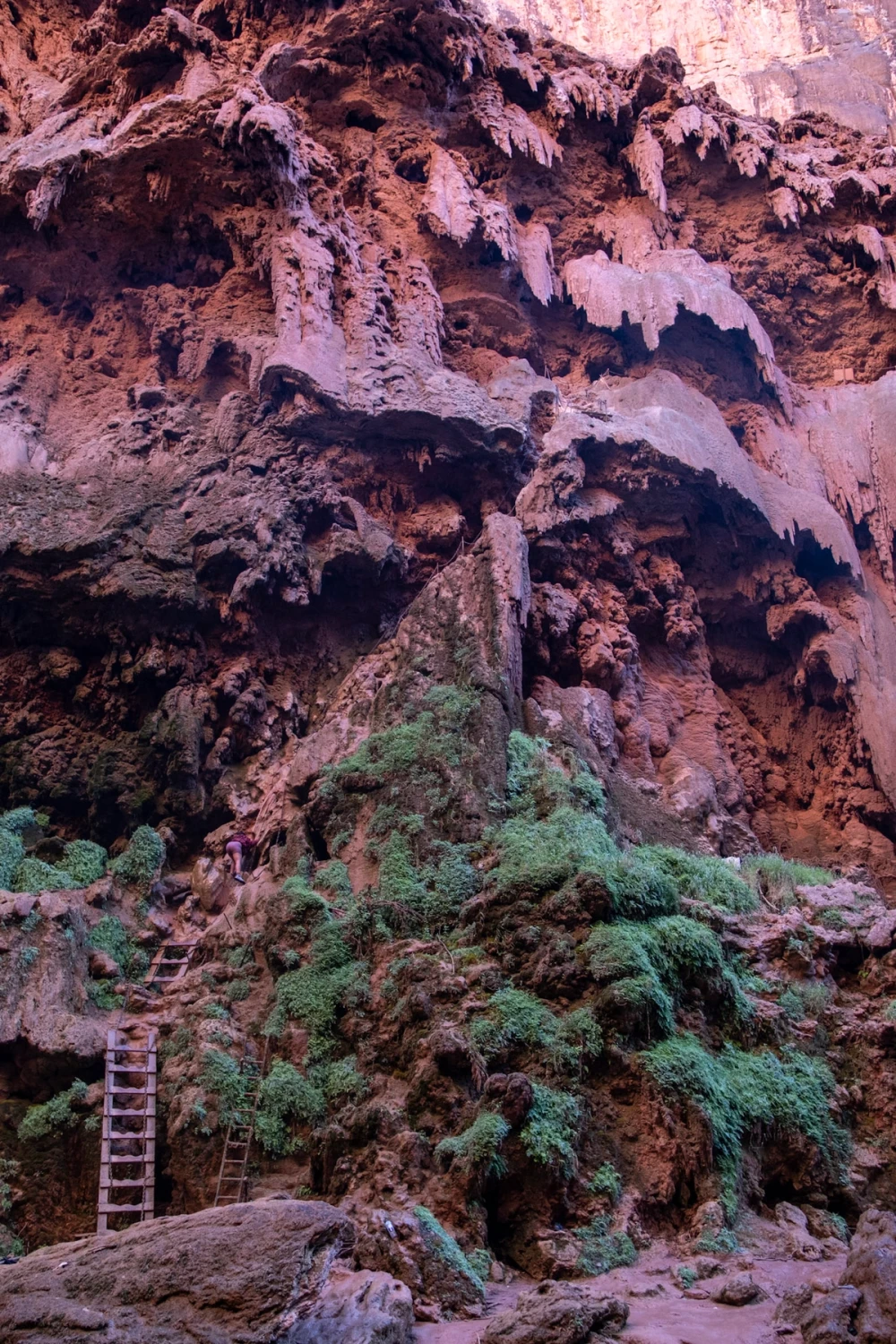
The most talked-about section is the descent near Mooney Falls. Ladders, chains, wet rock—it’s a little slippery and slightly exposed, but manageable if you take your time. It’s more mental than anything else.
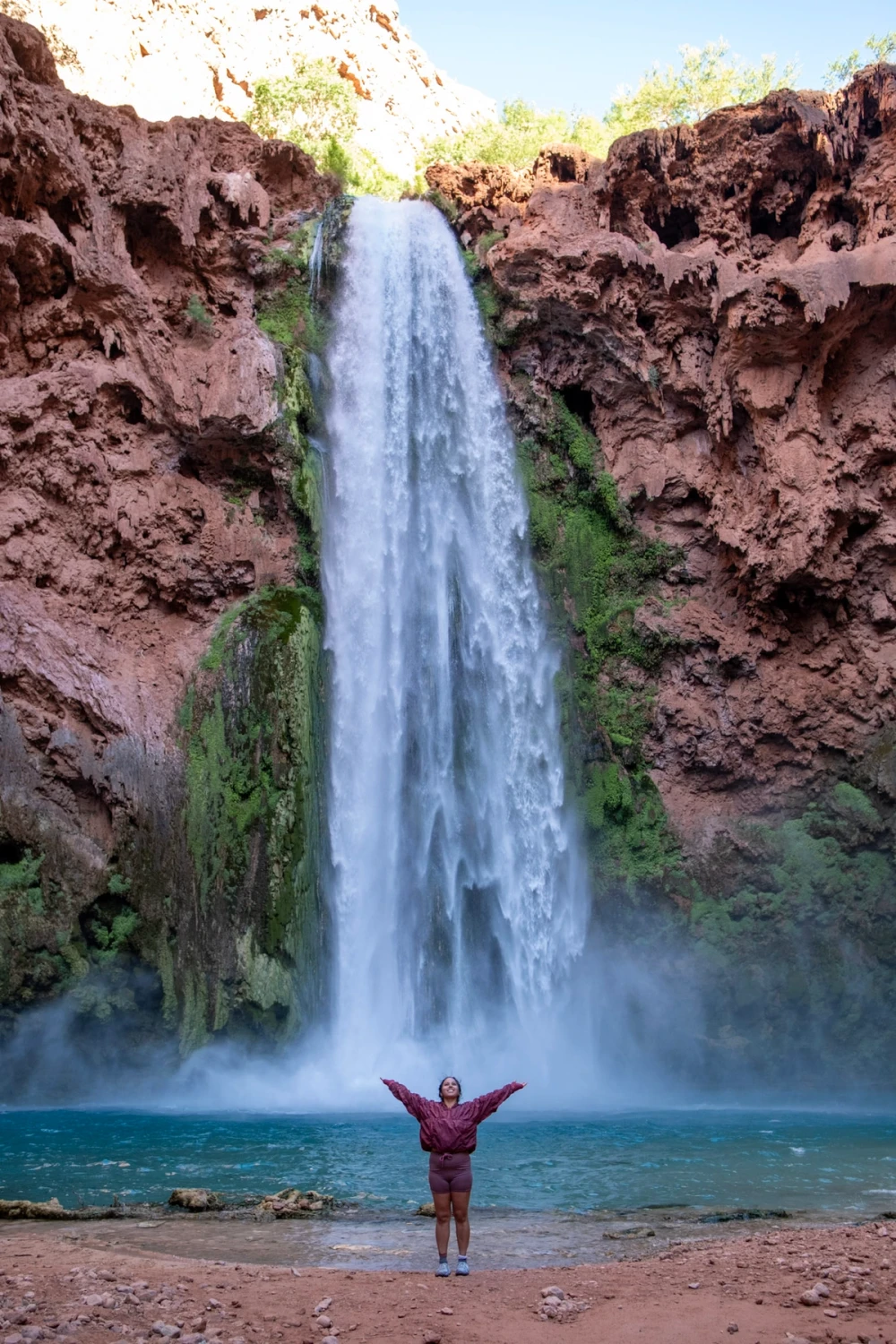
Once you’re past that, the hike opens up into one of the best sections of the entire trip. Beaver Falls feels like a hidden oasis layered within the canyon. Multiple tiers of waterfalls, bright green vegetation, and pools that actually invite you in rather than just look good from a distance. The water was exactly what you want after hiking in the desert—cool, refreshing, and clear enough to see straight to the bottom.
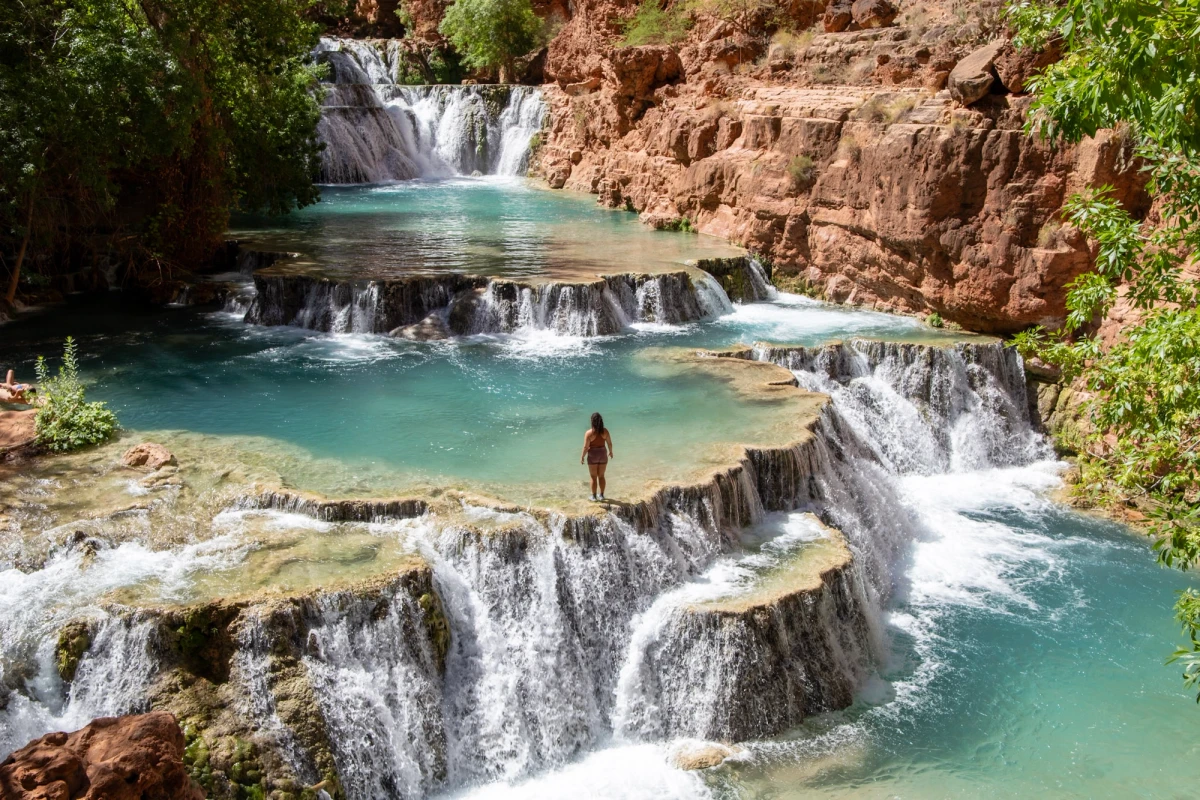
We didn’t rush it. Found a good spot, got in the water, and let the day stretch out. That balance between movement and stillness is what makes this place stand out. The hike back to camp felt easier than expected. Tired, but in a way that feels earned.
"Havasupai somehow makes long miles feel smaller. Every stretch of canyon leads back to cold turquoise water and another unreal view."
This was the biggest day of the trip—the push all the way to the Colorado River. We went into it knowing it would be long, but not necessarily difficult. And that’s mostly true—it’s not technical, just a lot of miles stacked together. If there’s one thing we’d change, it would be starting earlier.
Beyond Beaver Falls, the canyon gets quieter. Fewer people, more exposure, and a feeling that you’re moving further away from everything familiar. The trail becomes less defined in places, but still manageable if you stay aware.
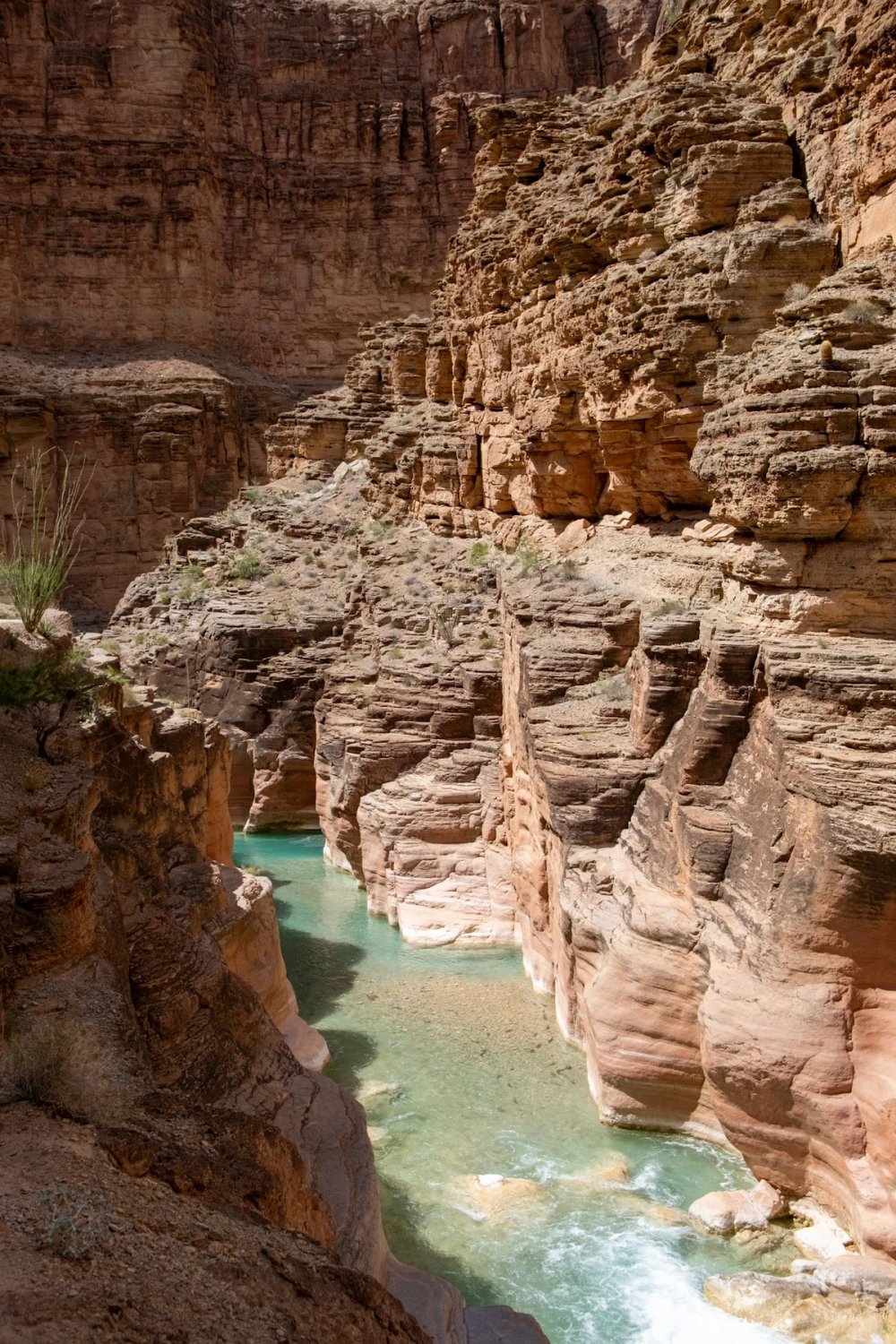
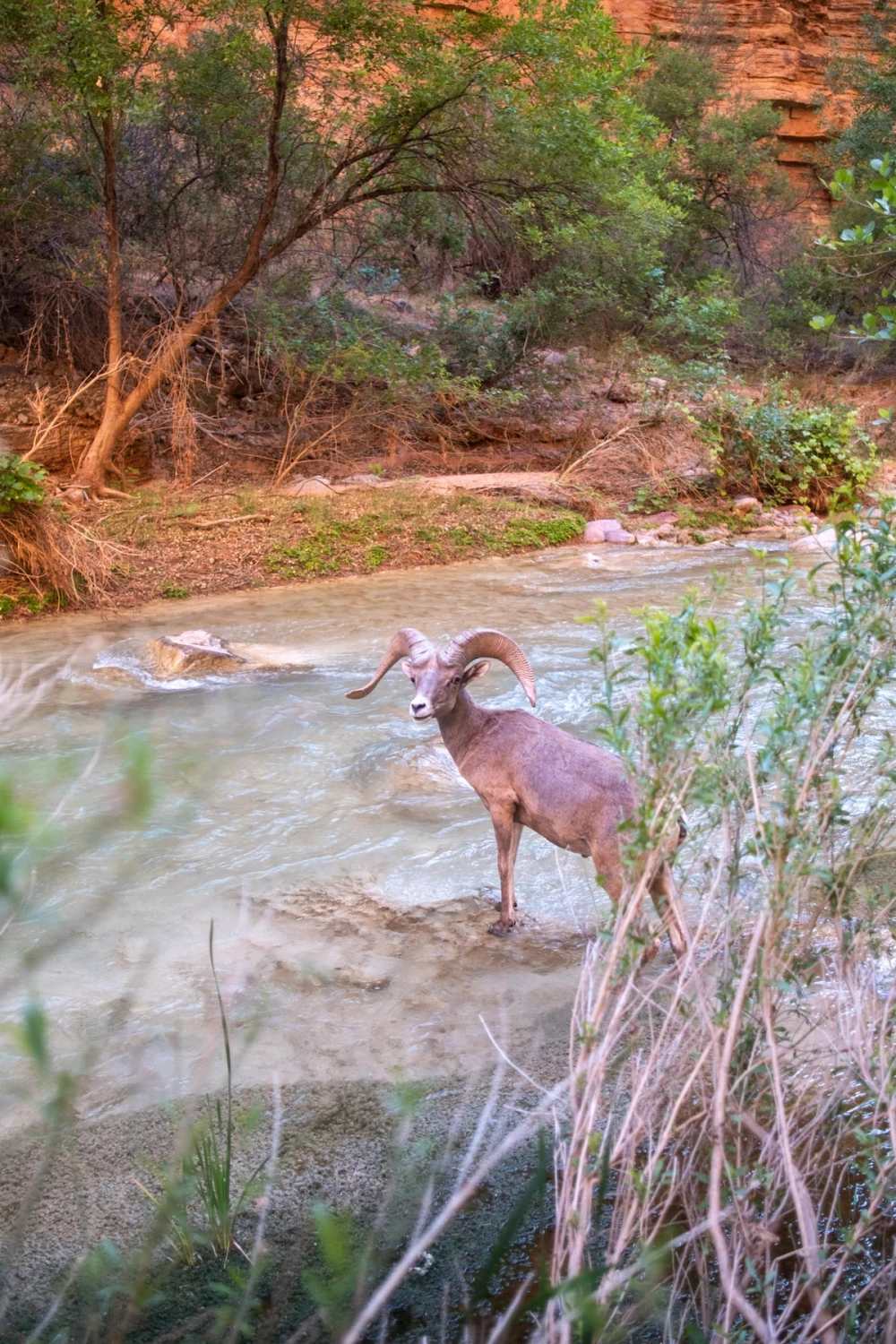
Reaching the confluence is worth every step. You see the bright turquoise water of Havasu Creek merge into the deeper, more muted tones of the Colorado River. The contrast is striking—two completely different colors, temperatures, and energies meeting in one place.
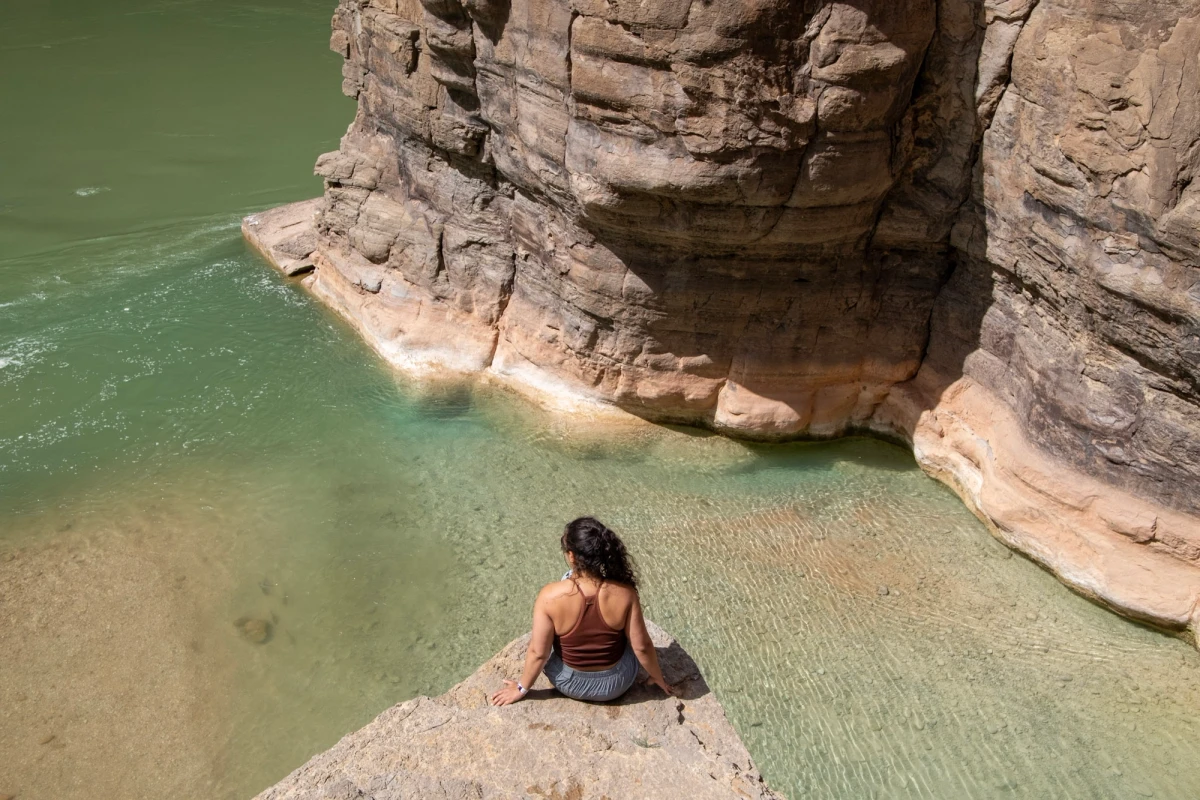
We spent some time there, taking it in before turning around for the long hike back. And that’s where the day shifted. Those last couple miles came in the dark.
By the time we reached Mooney Falls again, we were climbing the ladders and chains at night. Headlamps on, moving carefully, double-checking each step. It added a layer of intensity that you don’t get during the day. Not necessarily dangerous—but definitely memorable. It’s one of those unplanned moments that ends up sticking with you the most. A little uncomfortable, a little exciting, and a solid reminder to respect the distance out there.
The Confluence day is long. Starting before sunrise would have made the return much more relaxed and avoided climbing back up Mooney Falls in the dark.
The final day is all about the hike out. No waterfalls ahead, no big destination waiting—just the steady climb back toward the trailhead. You feel it more on the way out.
The incline hits harder, the miles feel longer, and the sun seems a bit less forgiving. But there’s also a rhythm to it. Step, breathe, repeat. Looking back into the canyon as you climb out gives you a new perspective. Everything feels more remote, more contained, like you were let in on something temporary.
By the time we made it back to the car, it felt like a mix of relief and accomplishment. Tired, a little dusty, but fully reset.
Havasupai lives up to the hype—but not just because of how it looks. It’s the combination of effort and reward. Long miles balanced by cold water. Quiet moments mixed with just enough challenge to keep things interesting.
Camping closer to Mooney Falls made a big difference, especially for accessing Beaver Falls and the Confluence trail efficiently.
If there’s one practical takeaway: start early for the Confluence day. The distance adds up quickly, and finishing in the dark—especially climbing back up Mooney—is something you’ll probably want to avoid.
Other than that, keep it simple. Take your time. Get in the water. Don’t rush through a place like this. Some places are better experienced slowly—and this is one of them.