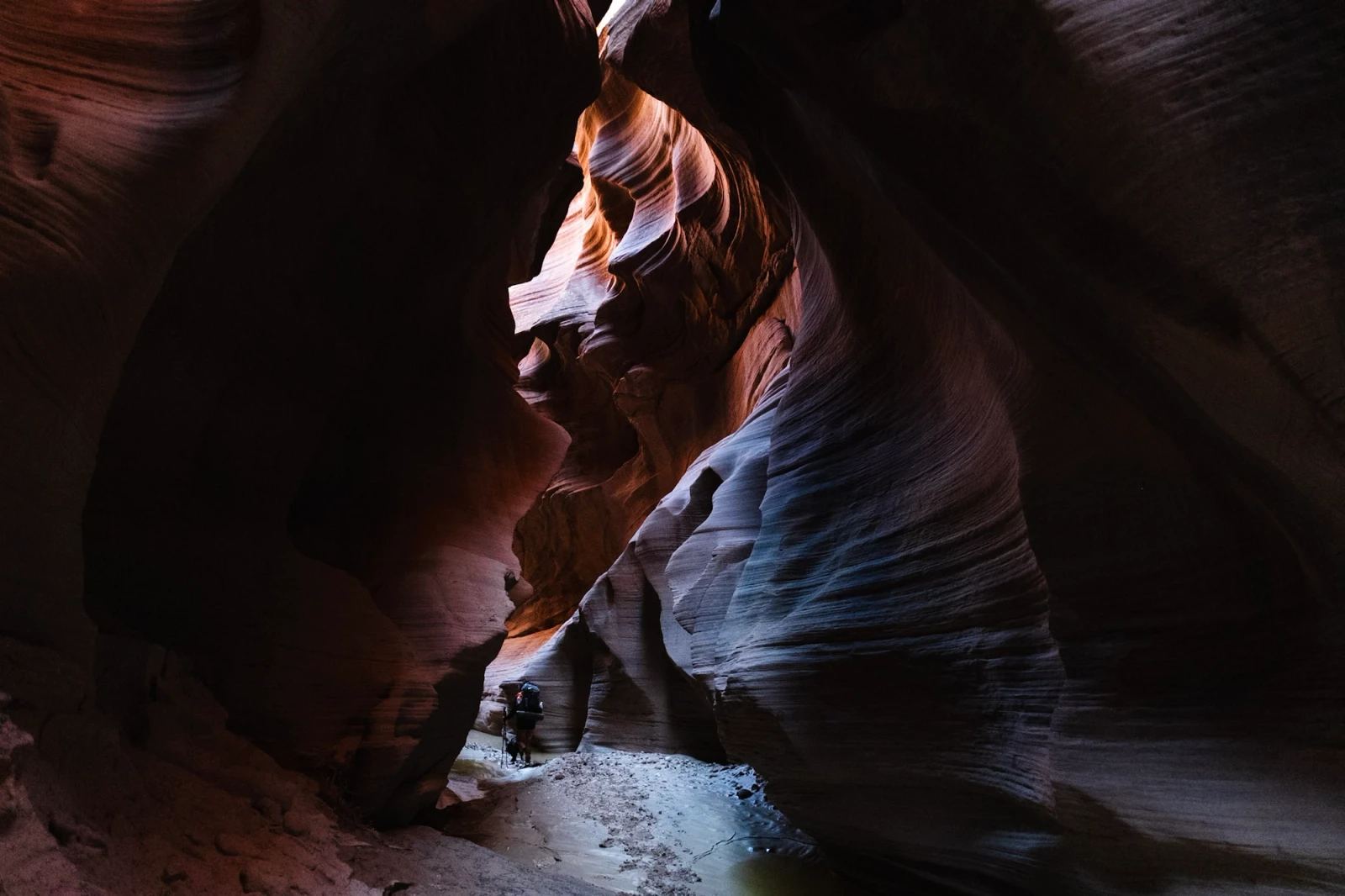
BUCKSKIN GULCH
Buckskin Gulch + Paria Canyon Trip Report (4 Days): Through the Longest Slot Canyon in the World
4 days through Buckskin Gulch + Paria Canyon: towering slot walls, muddy trails, remote camps, and desert miles to Lee’s Ferry.
Buckskin Gulch and Paria Canyon form one of the most iconic backpacking routes in the American Southwest. Stretching from Wire Pass to Lee’s Ferry, the route winds through towering sandstone corridors, narrow slot canyons, deep mud, flowing water, and remote desert campsites unlike anywhere else.
Often considered the longest slot canyon system in the world, Buckskin Gulch feels less like a trail and more like moving through another planet. Massive canyon walls block out much of the sunlight, creating long stretches of cool shade, glowing reflected light, and silence broken only by flowing water and footsteps through mud.
This trip covered 4 days backpacking from Wire Pass to Lee’s Ferry, with a mix of dry trail, water crossings, mud, and narrow canyon travel.
- Day 1: Wire Pass into Buckskin Gulch
- Day 2: Deep through Buckskin Gulch into Paria Canyon
- Day 3: Long canyon miles, river crossings, and remote camps
- Day 4: Final push to Lee’s Ferry
We completed the trip with our dog, which added an extra layer of adventure navigating water, mud, and long canyon days together.
The trip started at Wire Pass, descending almost immediately into sandstone walls that quickly grew taller and narrower with every turn.
It doesn’t take long before the outside world disappears.
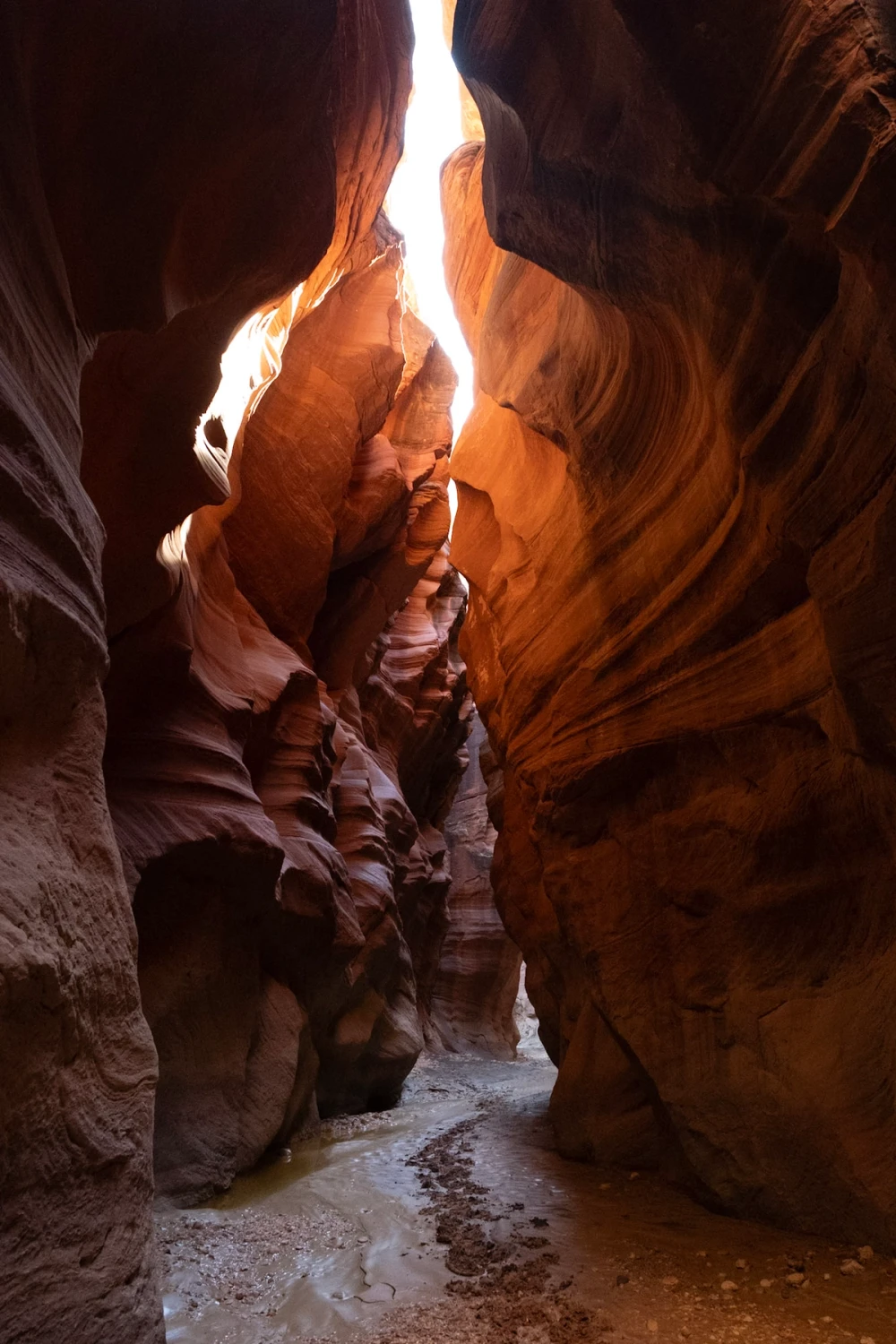
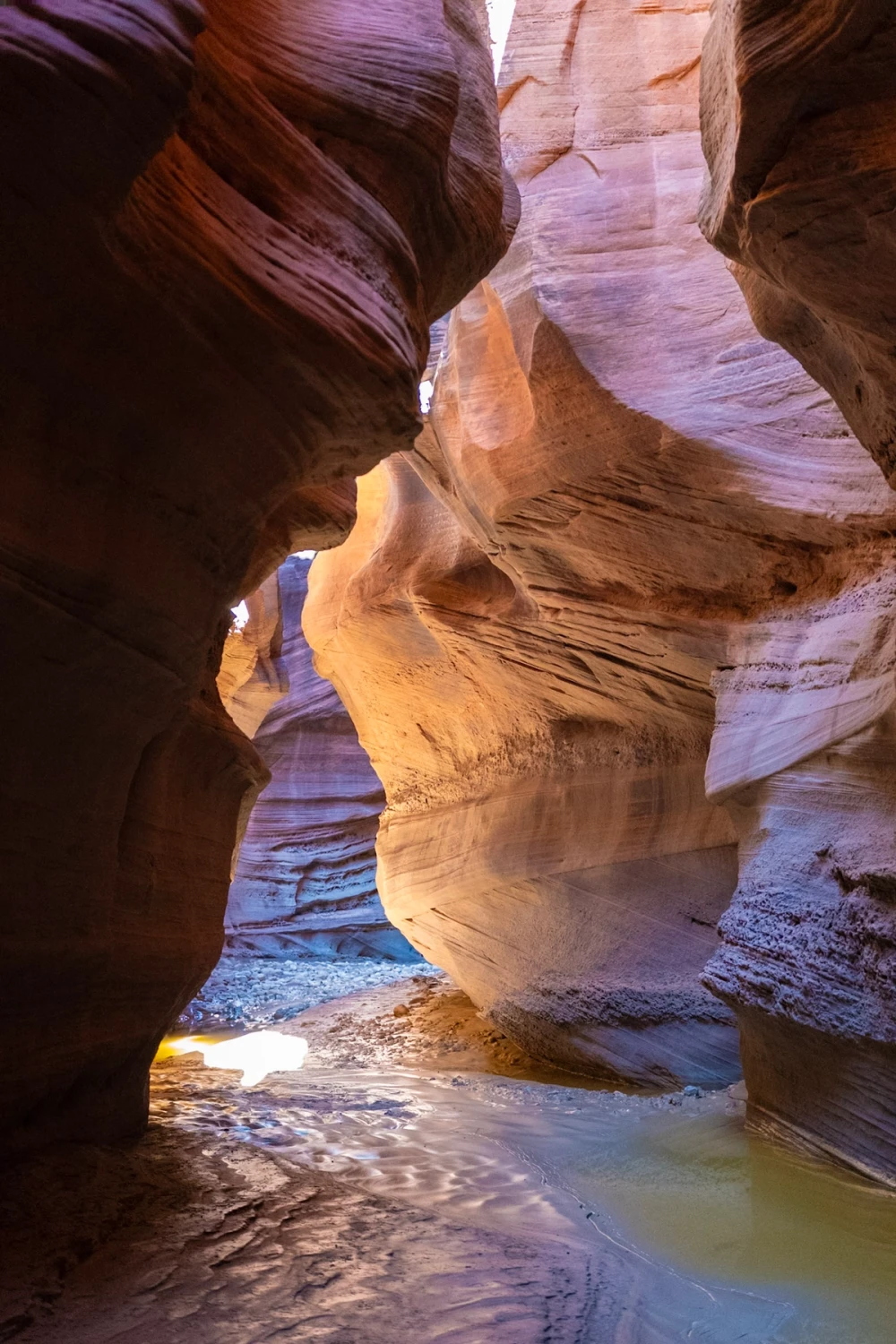
The deeper we moved into Buckskin Gulch, the more surreal it felt. Sunlight filtered down in thin beams while the canyon walls stretched hundreds of feet overhead. Every corner looked different—smooth curves, twisted rock textures, and narrow passages carved over thousands of years.
Even early on, the canyon already felt massive.
There’s a strange rhythm to hiking through a slot canyon. You stop paying attention to distance and start focusing on texture, light, and movement instead. The walls constantly shift shape and color depending on the time of day.
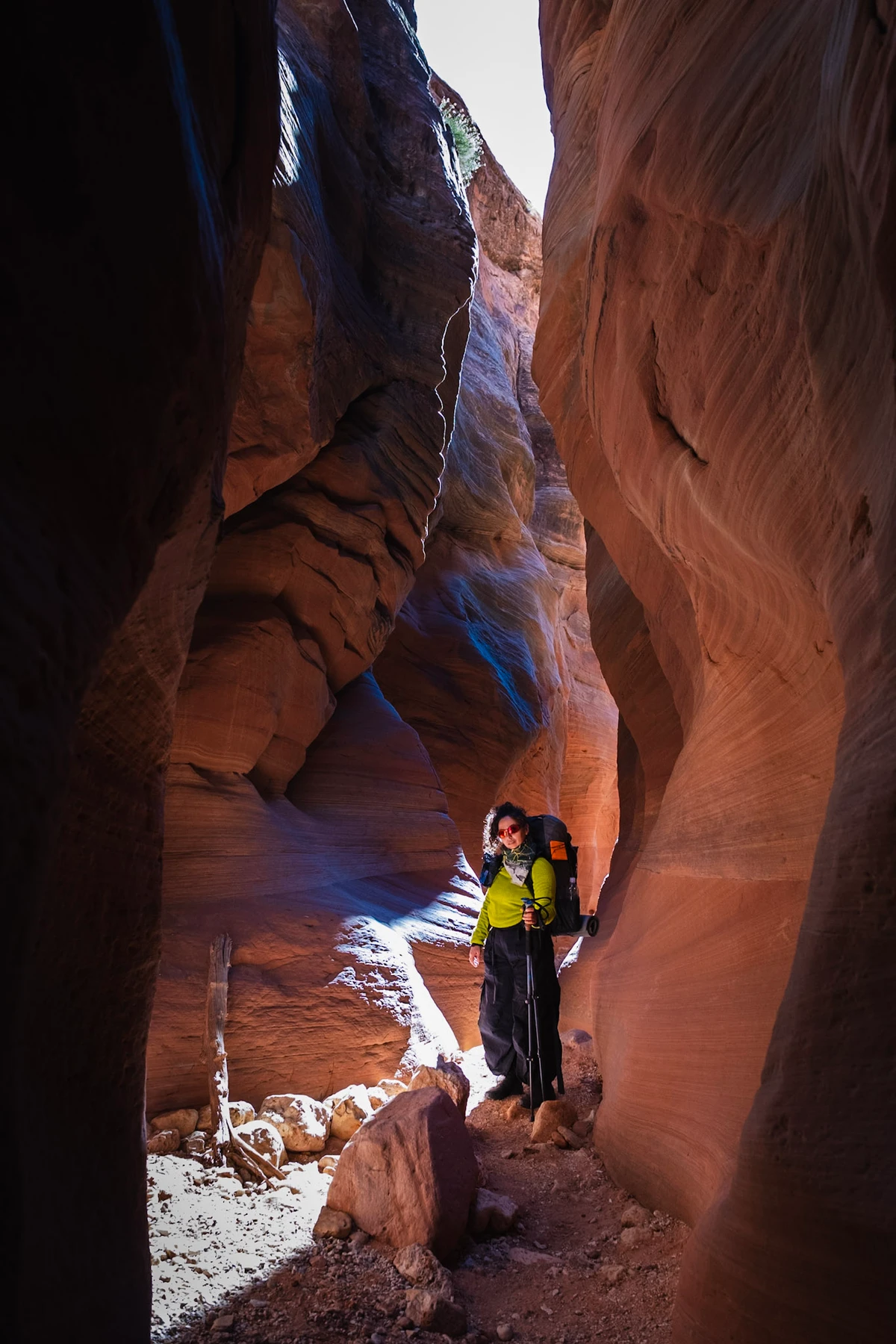
By afternoon, the canyon became quieter and darker as we pushed deeper in. We eventually found camp tucked beneath towering sandstone walls, surrounded by complete stillness.
As the light faded overhead, the canyon glowed with soft reflected orange and red tones before settling into darkness.
It felt remote in the best possible way.
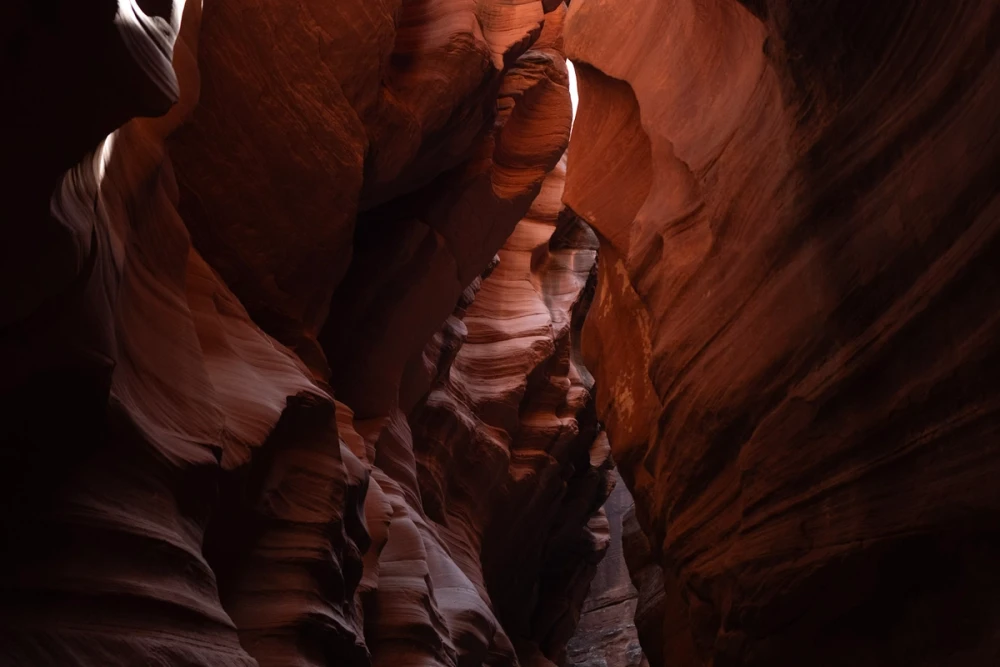
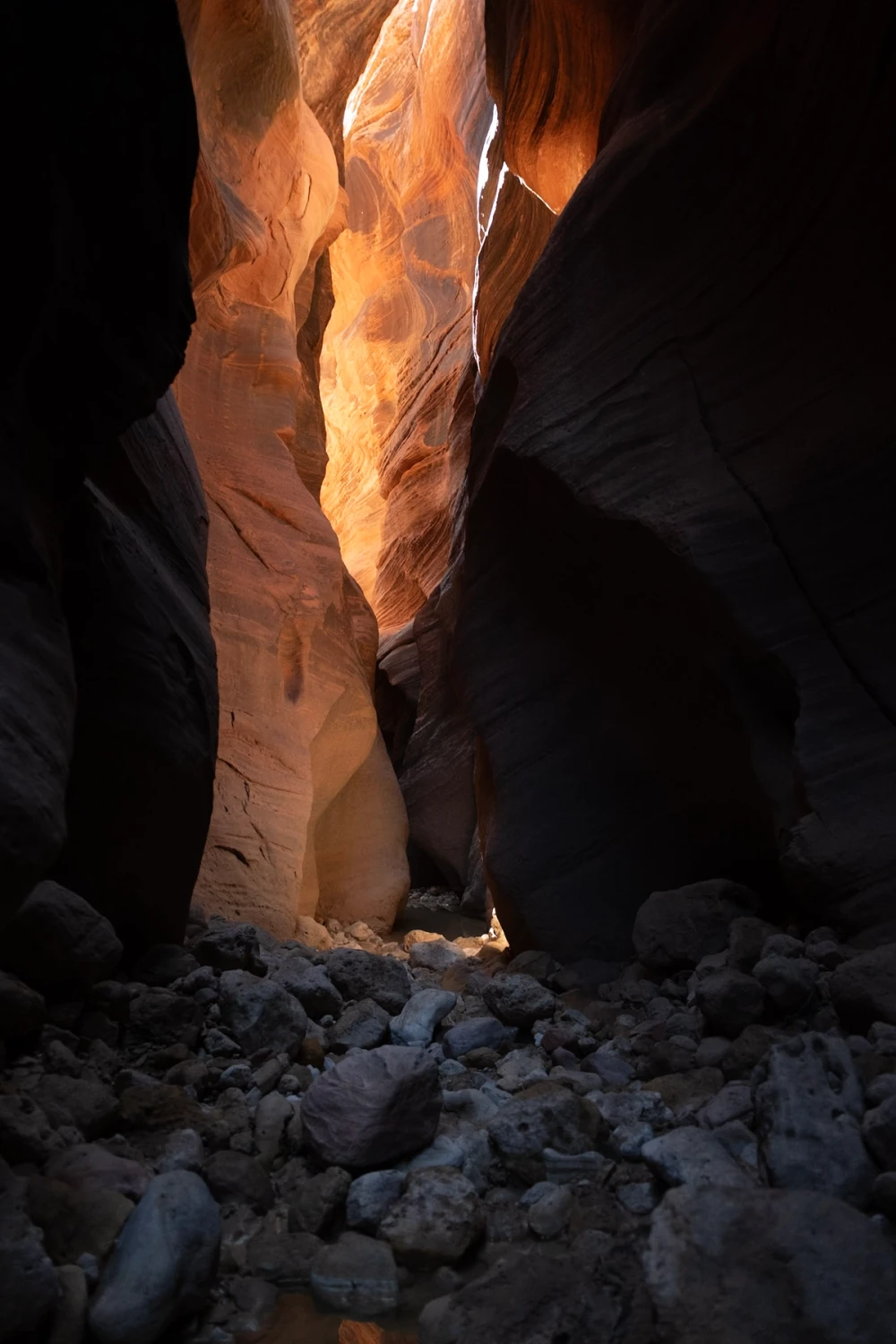
"Buckskin Gulch doesn’t feel like a normal trail. It feels like walking through a place the desert tried to hide."
Day two felt like the heart of the trip.
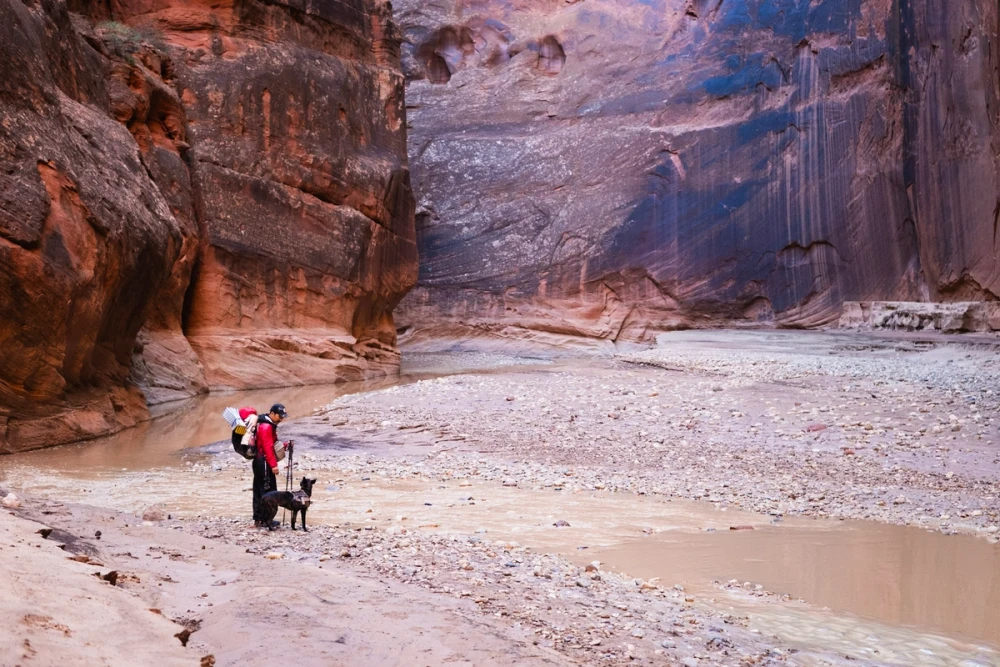
The canyon stretched endlessly ahead, winding deeper through narrow corridors and sections of flowing water. Conditions changed constantly—dry sand one moment, thick mud and standing pools the next.
Some stretches required careful footing while others turned into full wades through cold water.
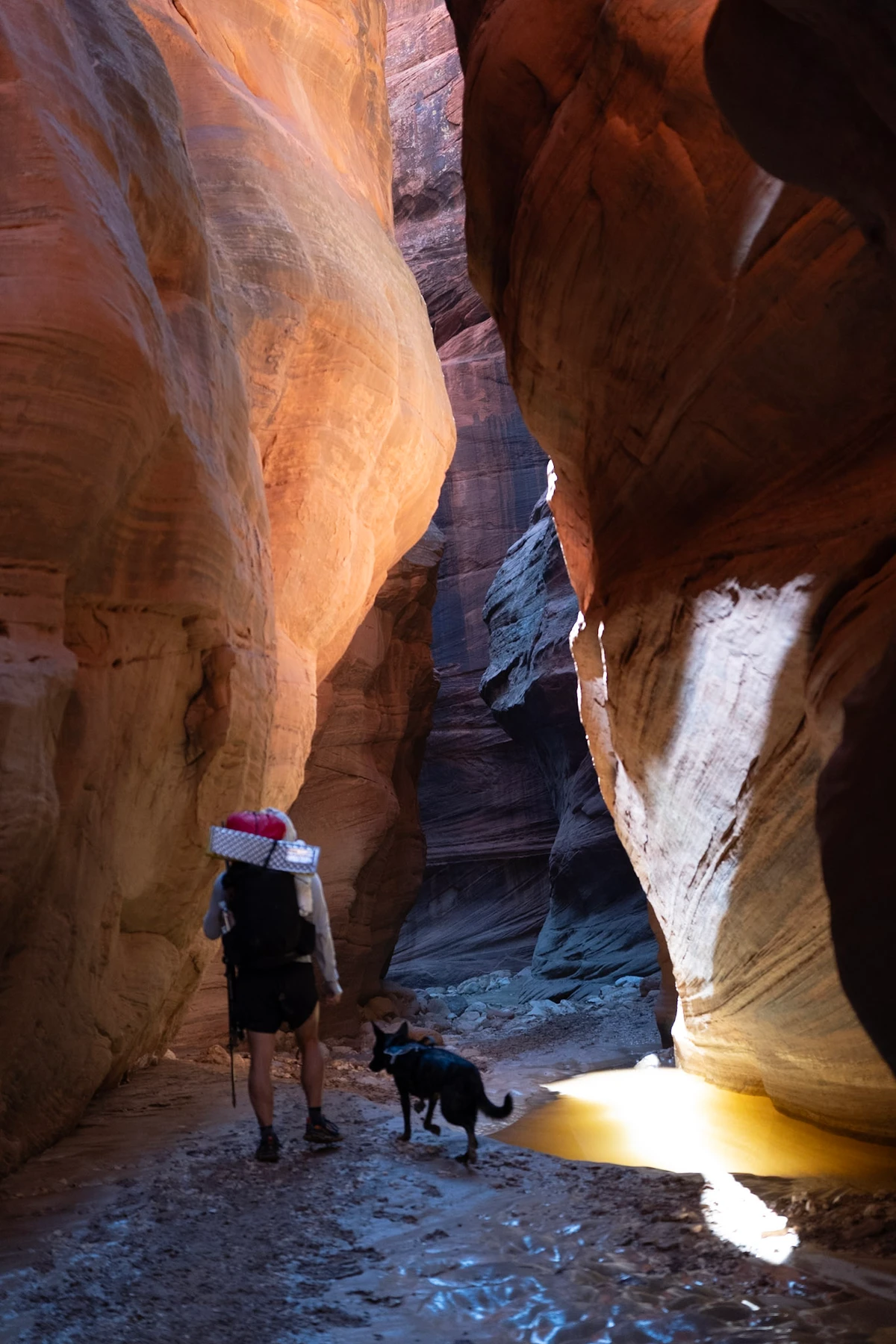
The mud quickly became part of the experience.
Shoes got heavier, trekking poles disappeared into soft ground, and every step demanded a little extra energy. But somehow, it added to the adventure rather than taking away from it.
Embrace getting wet early. Trying to keep shoes or socks dry in Buckskin Gulch usually just wastes energy once the mud and water crossings begin.
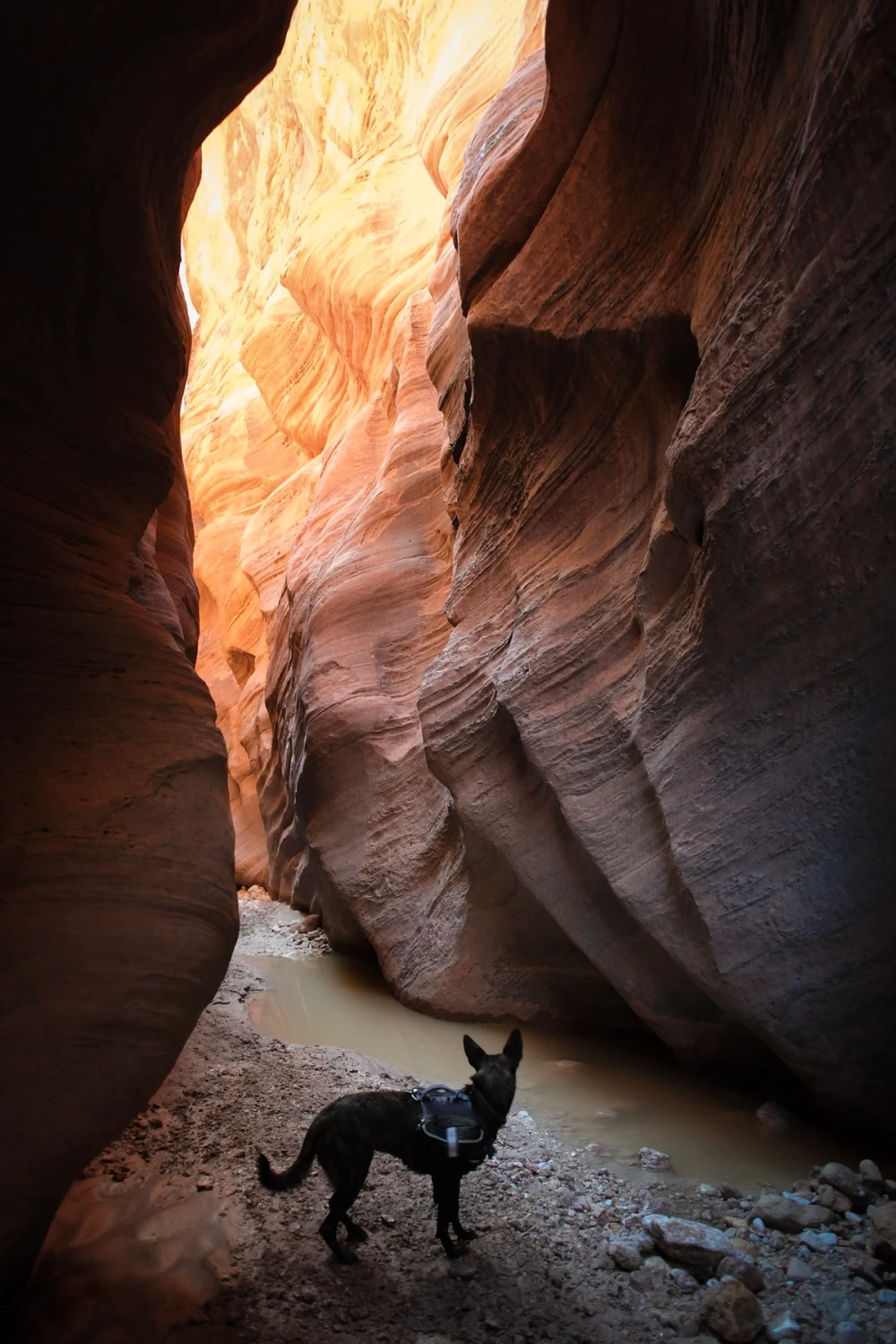
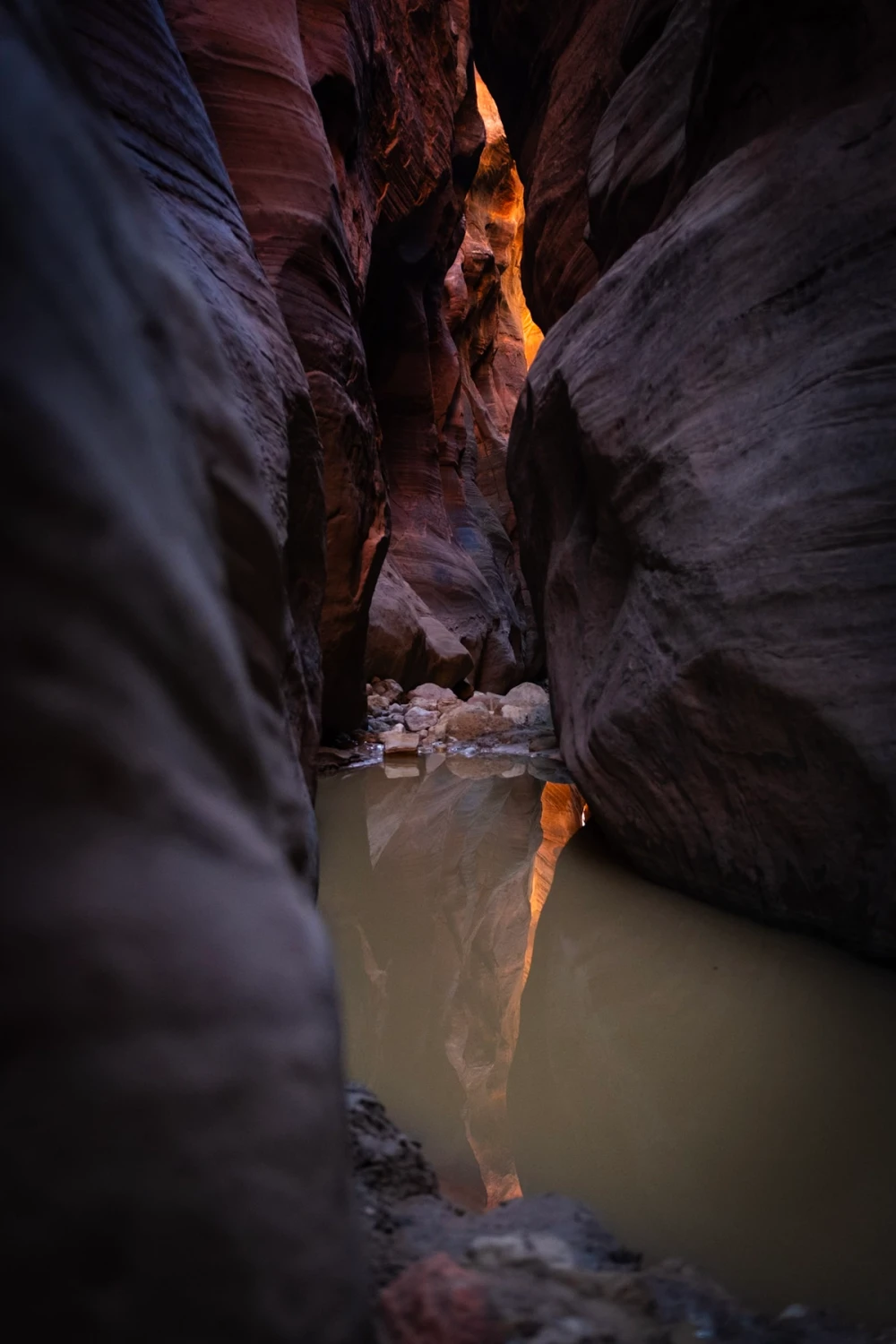
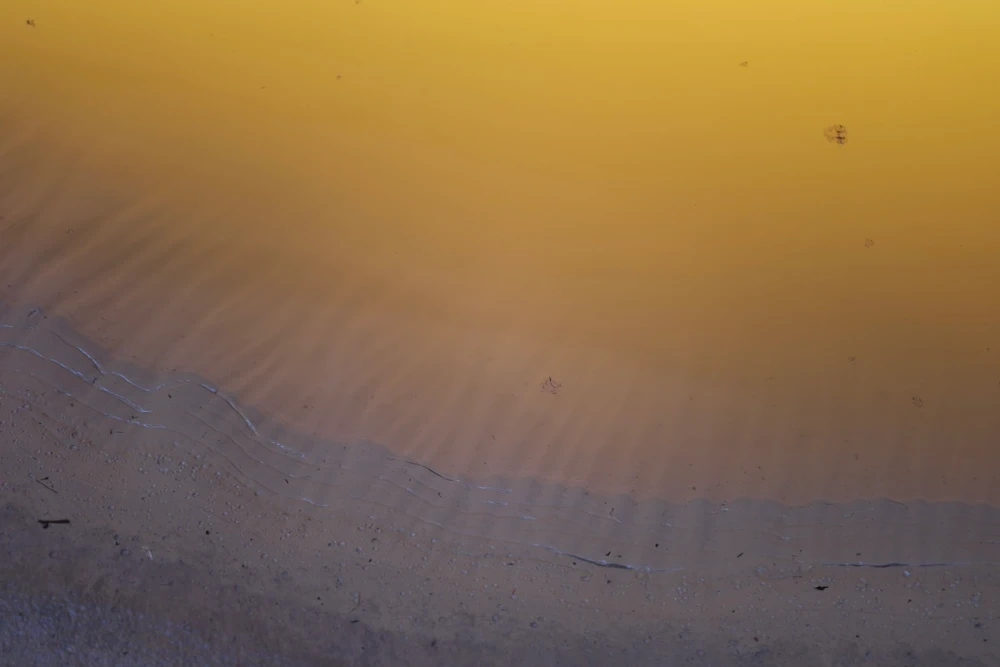
The scale of the canyon never stopped feeling impressive. Some sections narrowed dramatically while others opened just enough to let more light spill inside. Looking upward almost never got old.
This was also the day where the isolation became more noticeable.
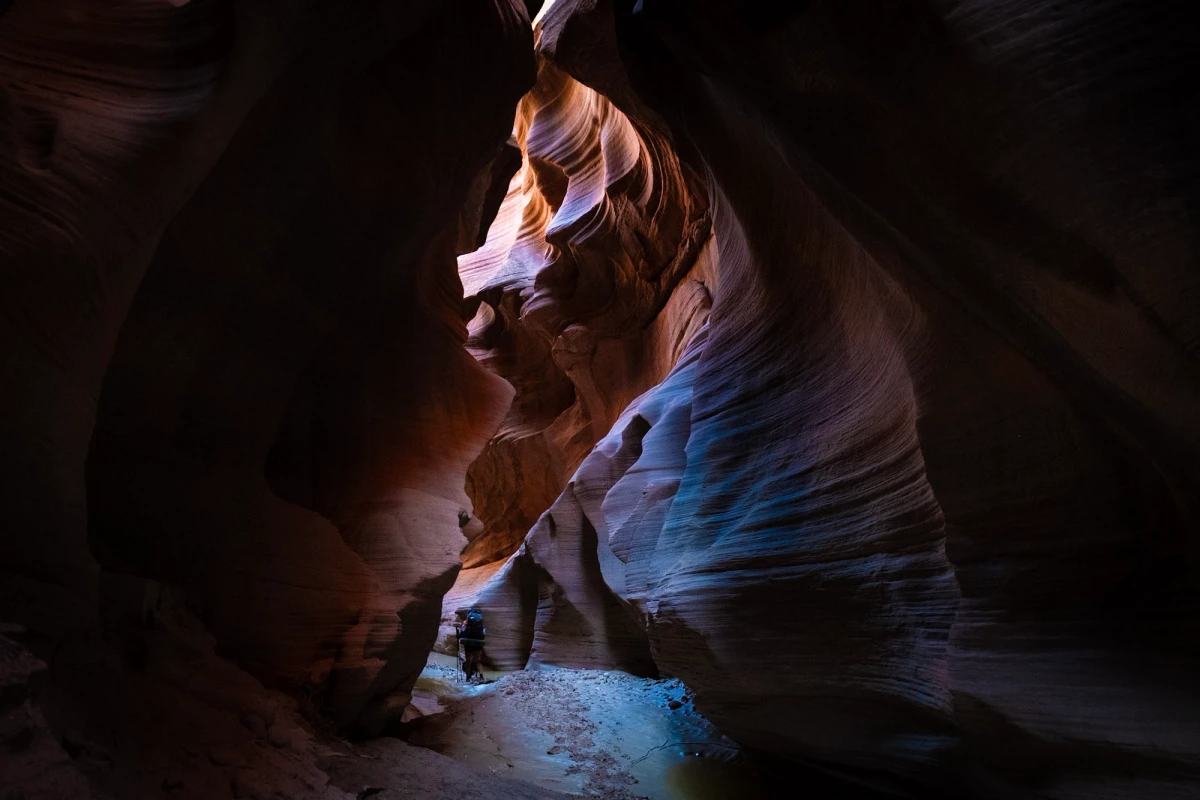
Hours could pass without seeing another person. Just canyon walls, water, and the sound of footsteps echoing through stone.
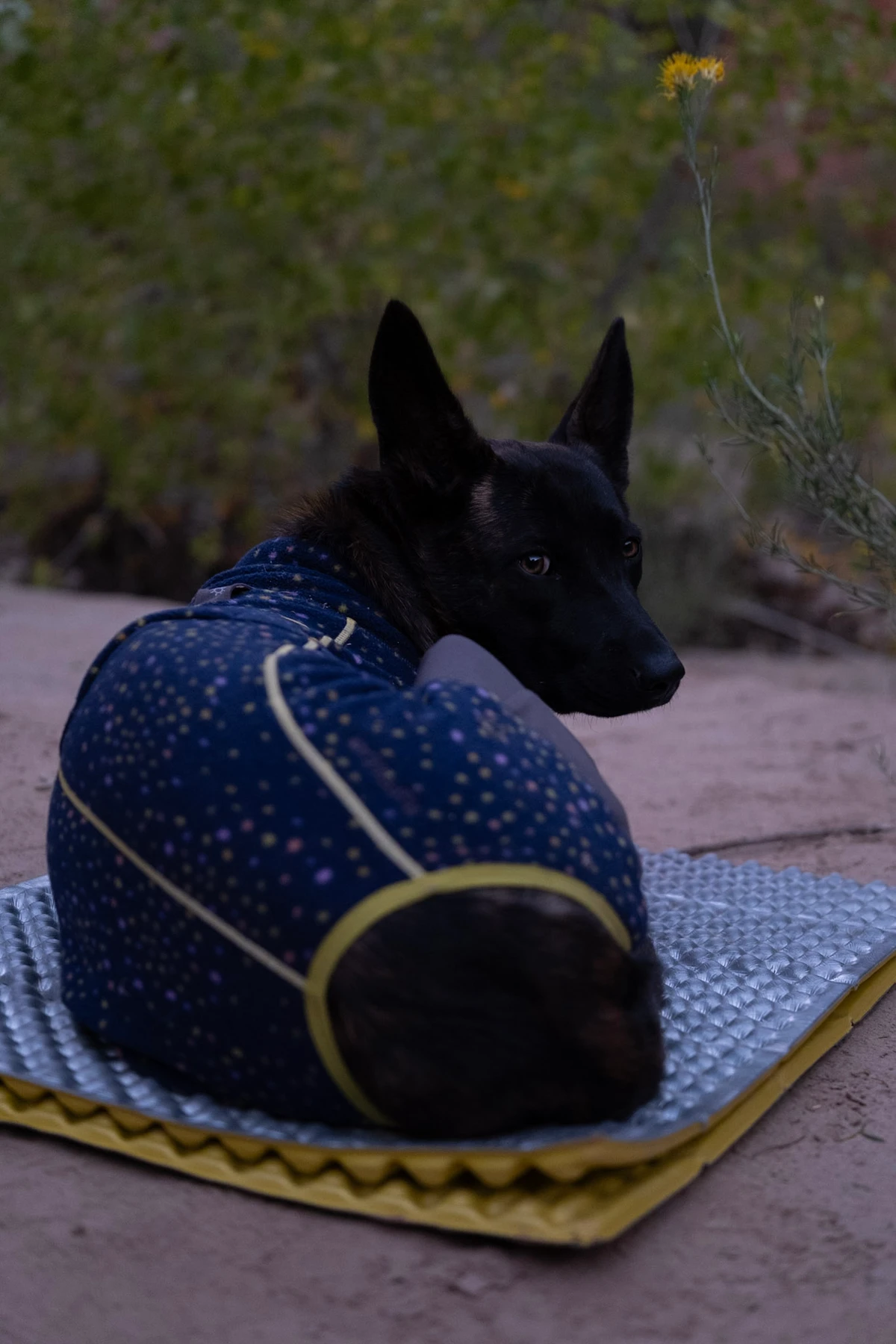
By the time we reached camp that evening, everything was covered in mud—including the dog—but it felt earned in the best way possible.
Eventually, Buckskin Gulch began opening into the wider landscape of Paria Canyon.
The transition felt dramatic.
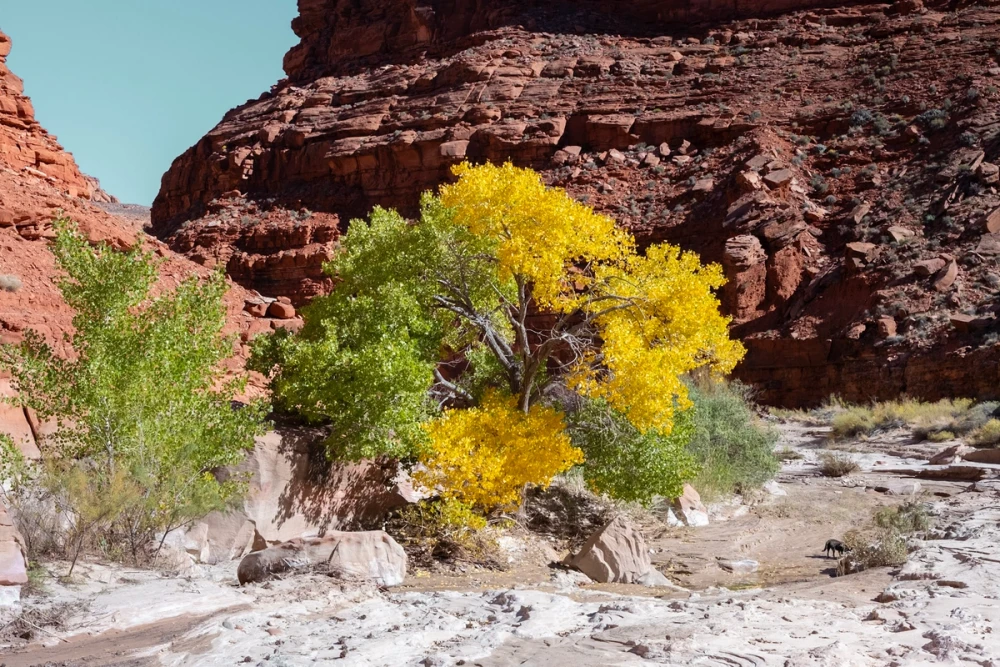
After spending so much time enclosed by towering slot walls, the wider canyon brought a completely different atmosphere. More sunlight reached the canyon floor, the terrain opened up, and the route became a mix of flowing water, gravel bars, and long scenic stretches beneath massive cliffs.
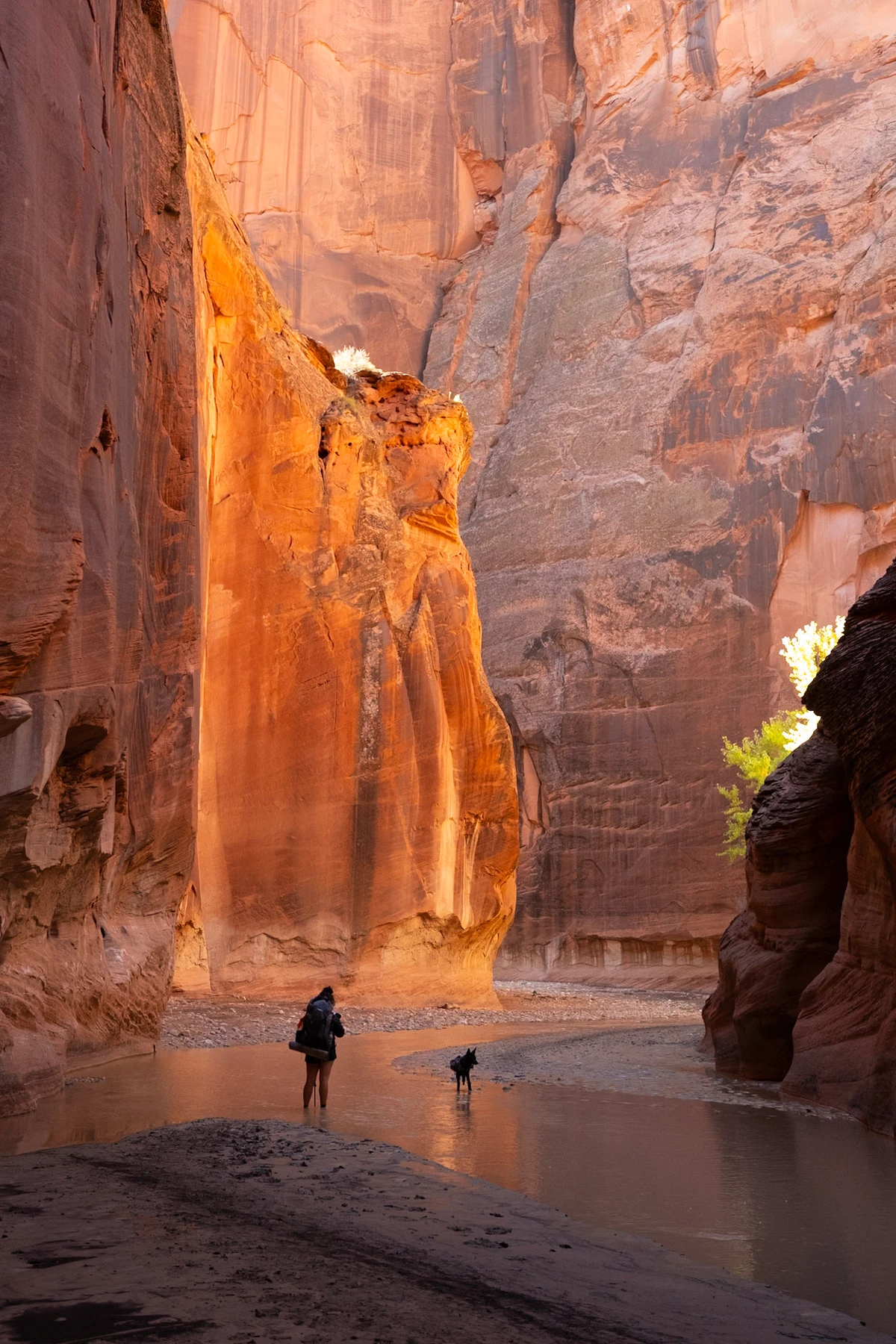
This day felt quieter and slower.
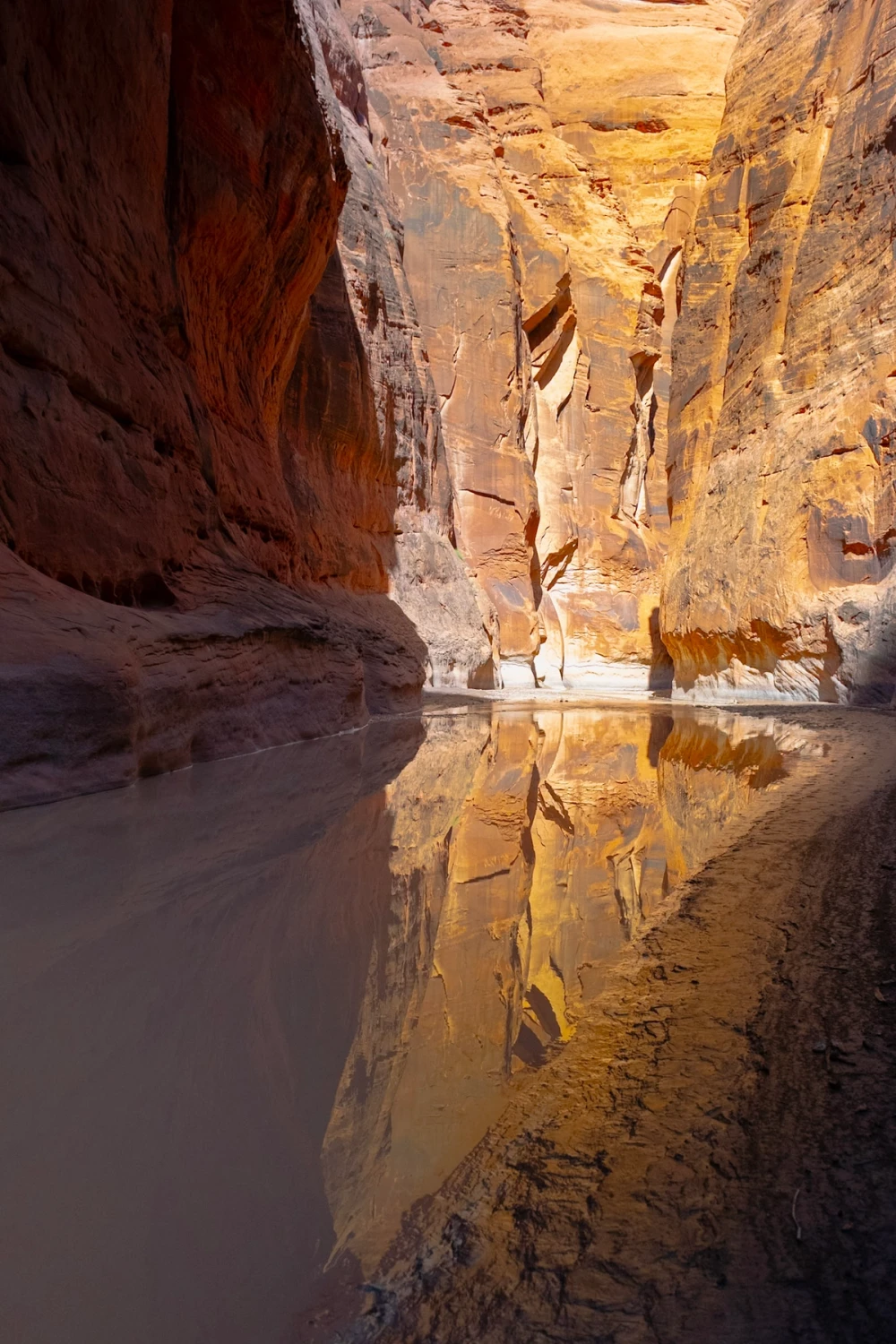
We settled into a rhythm of hiking, stopping for breaks beside the river, and taking in the scale of the canyon around us. The desert light throughout Paria Canyon was incredible—especially in the late afternoon when the cliffs started glowing deep orange.
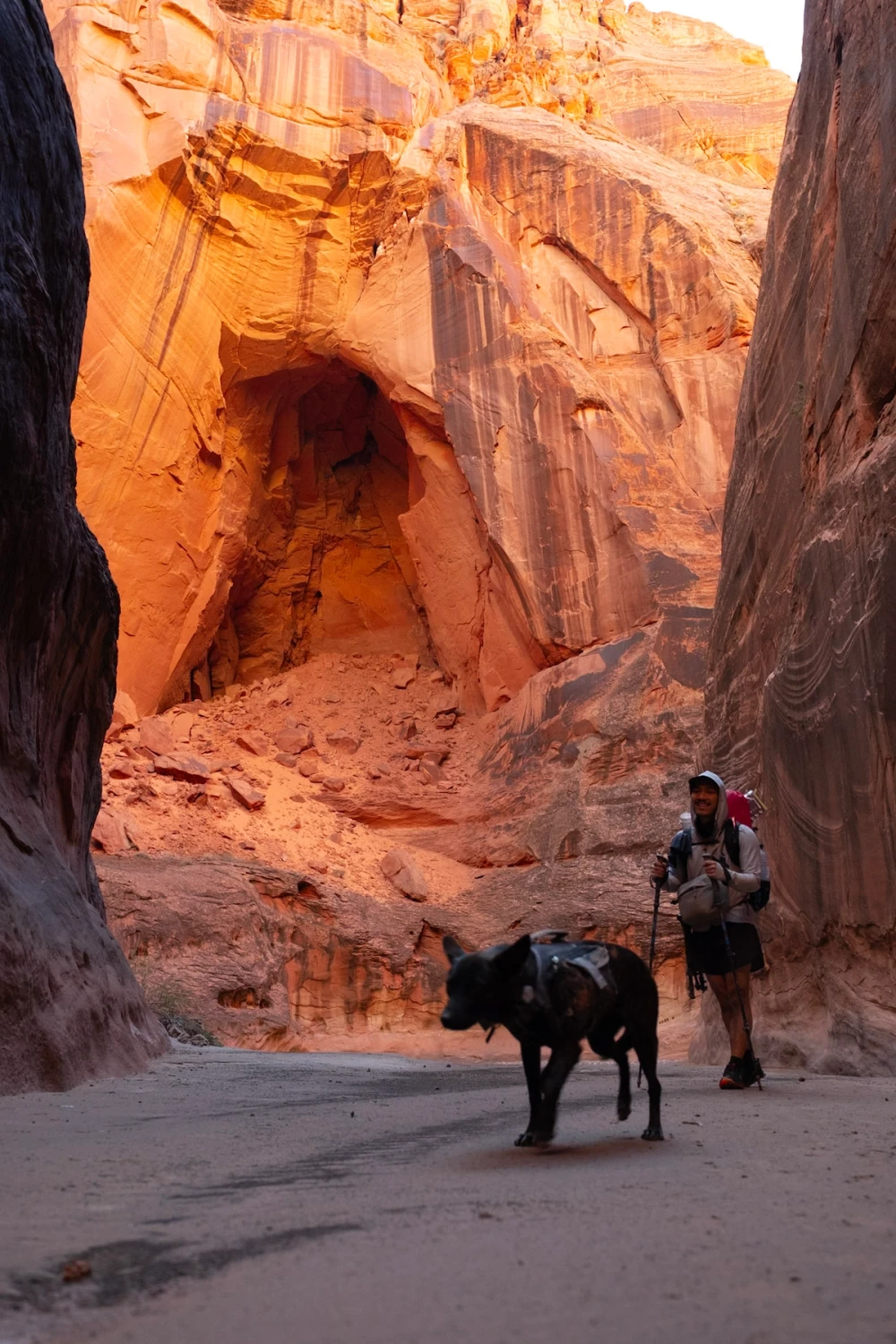
Traveling with our dog added plenty of memorable moments throughout the route. Watching him navigate muddy sections, splash through shallow water, and settle into camp at night somehow made the experience feel even more grounded and memorable.
That evening’s campsite ended up being one of our favorites of the trip—remote, quiet, and surrounded by towering canyon walls catching the last light of the day.
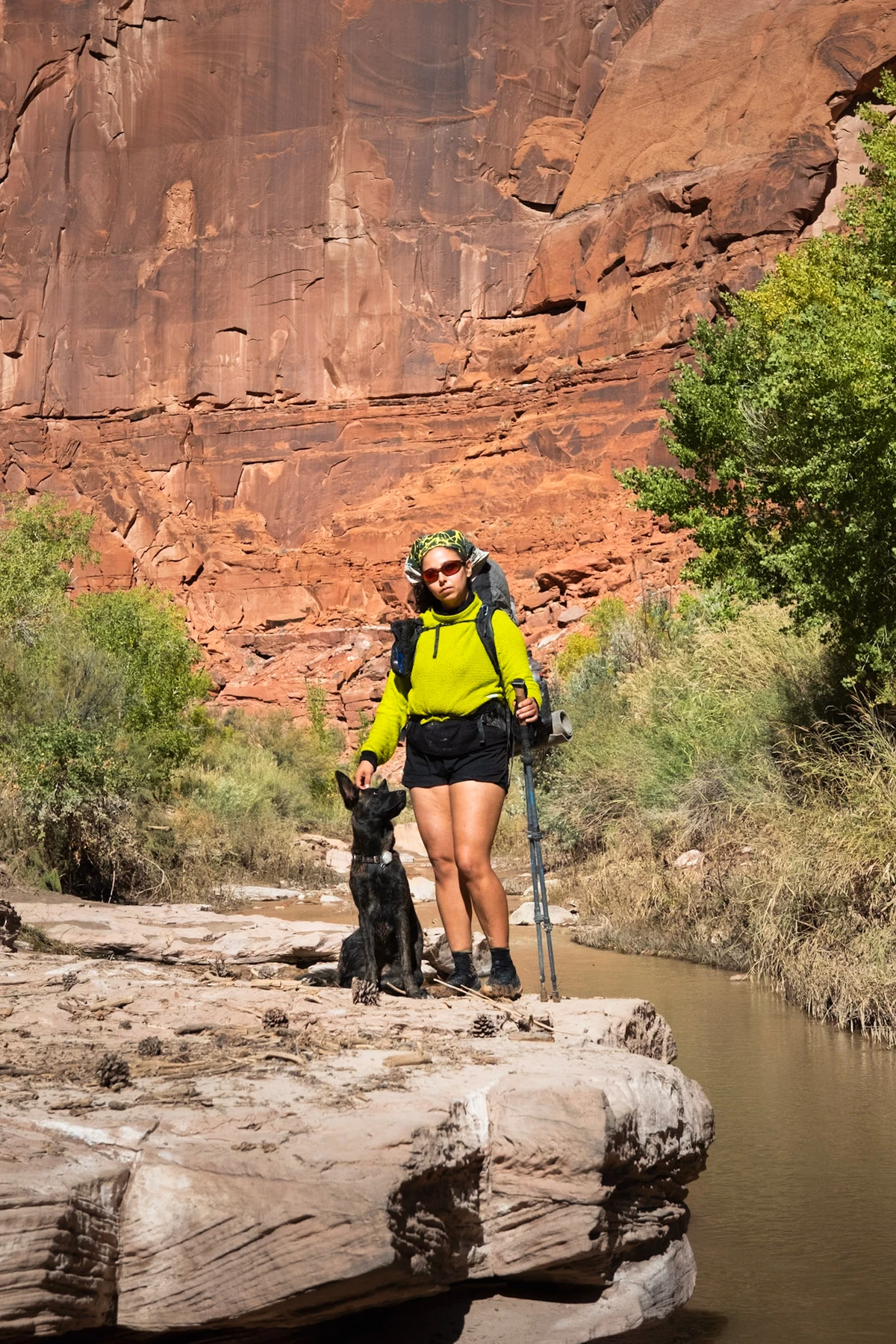
The final day started quietly.
Cool morning air, soft light on the canyon walls, and the feeling that the trip was slowly coming to an end.
As we continued toward Lee's Ferry, the canyon gradually widened further. After days spent deep inside narrow corridors and remote canyon bends, the openness almost felt strange.
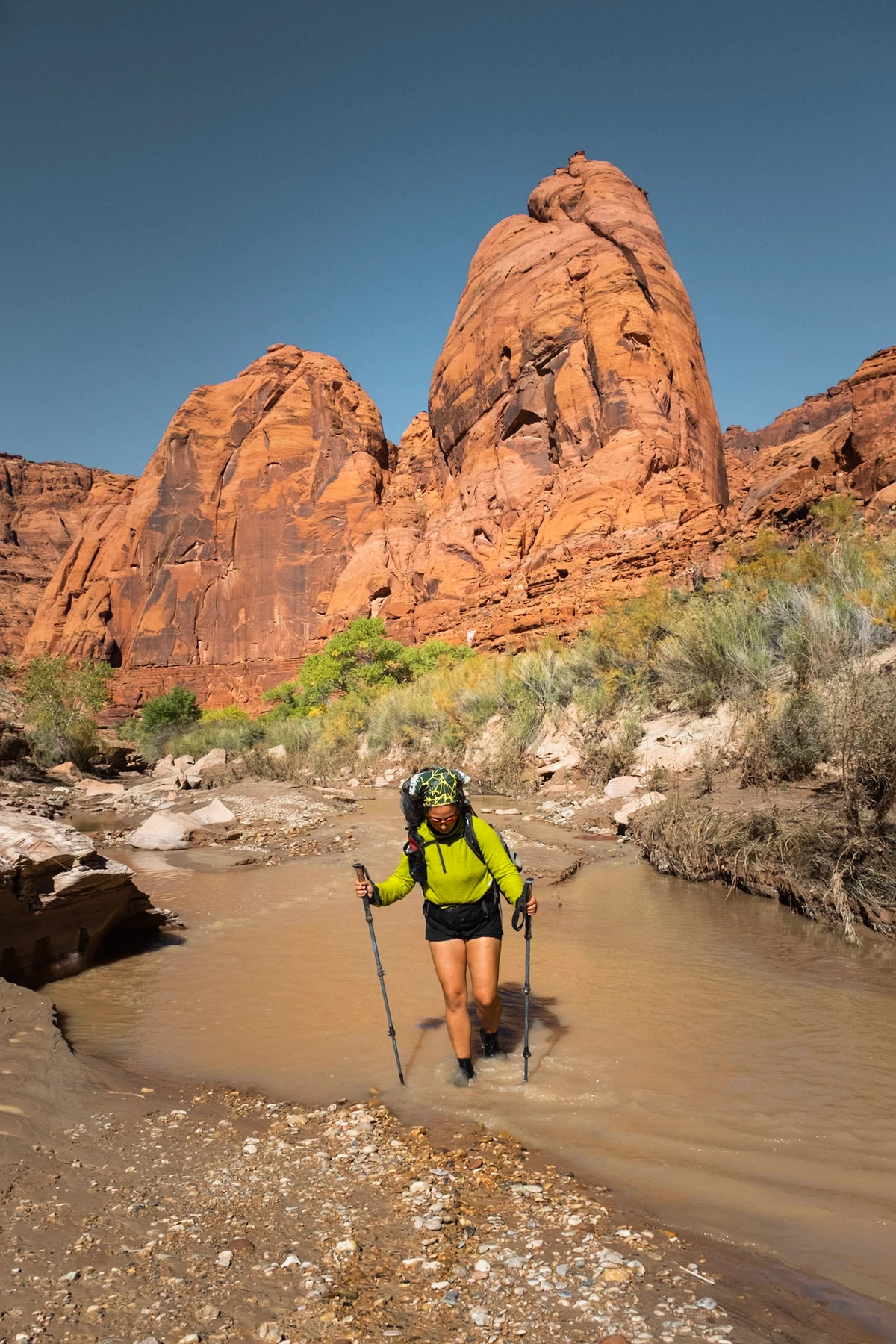
The miles started catching up physically by this point.
Mud-covered gear, tired legs, and multiple long days in the canyon all became more noticeable on the hike out. But at the same time, there was a sense of not wanting it to end too quickly.
The route constantly delivered new scenery until the very end—towering walls, winding river sections, textured sandstone, and wide desert views opening toward the horizon.
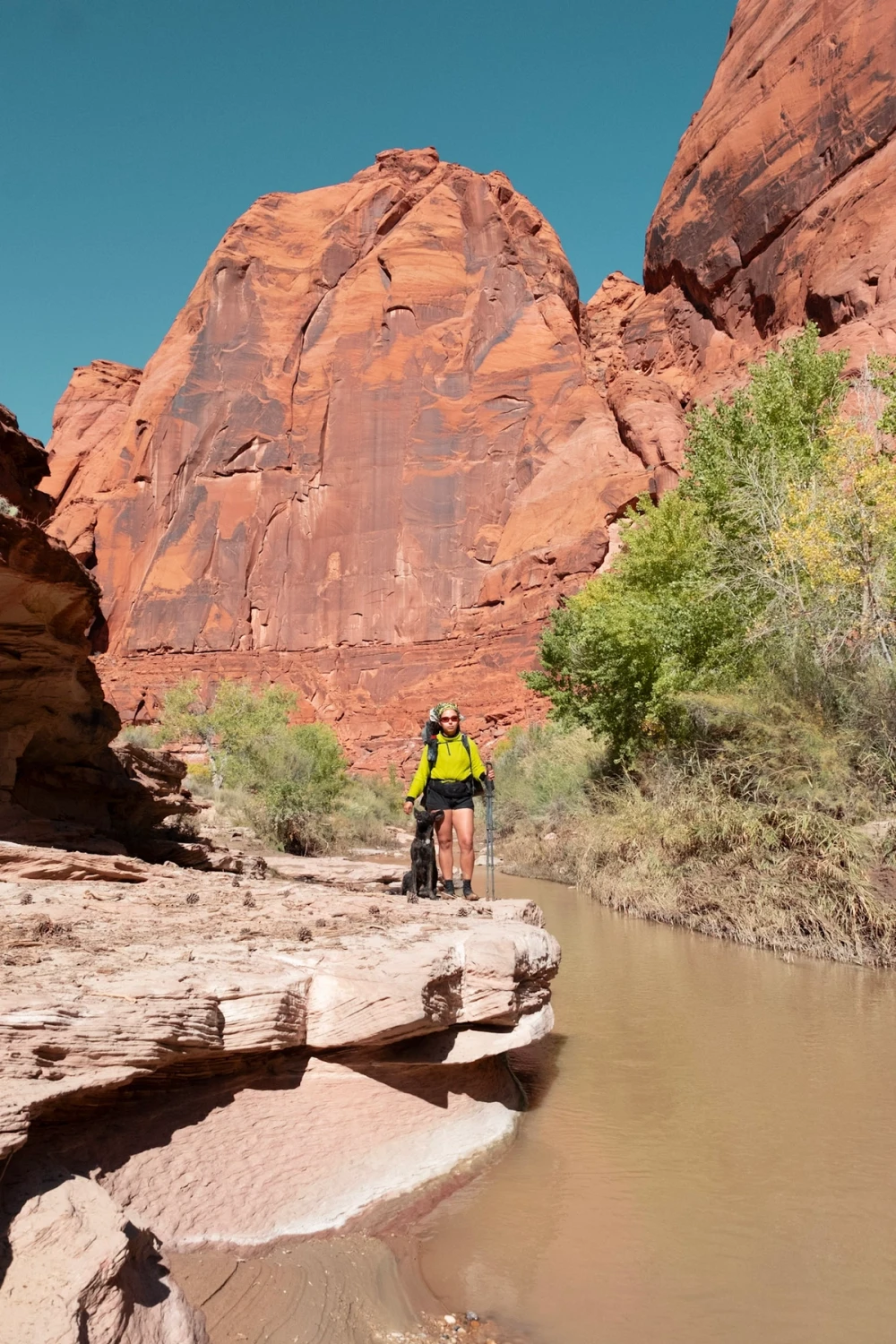
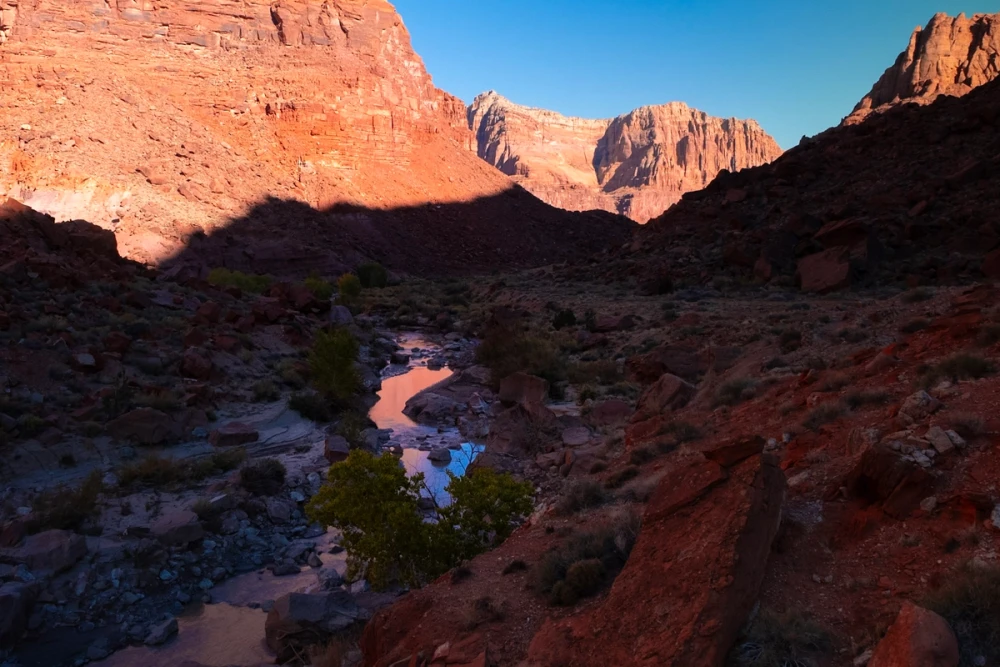
Reaching Lee’s Ferry felt both satisfying and bittersweet.
After four days moving through one of the most unique landscapes in the Southwest, stepping back into roads, parking lots, and normal life felt abrupt.
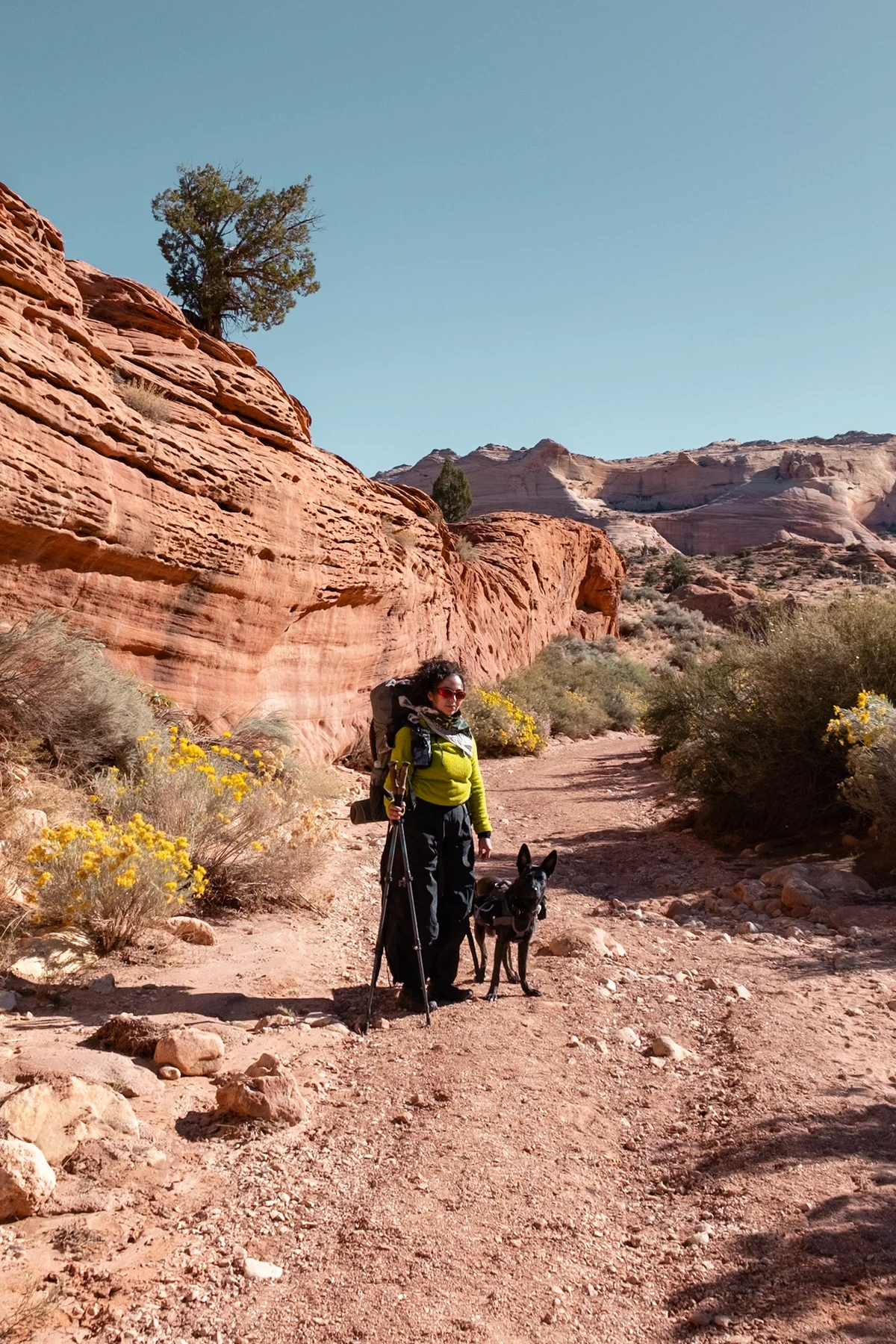
Backpacking through Buckskin Gulch and Paria Canyon felt completely different from any other desert trip we’ve done.
It’s not just the scenery—it’s the feeling of being fully immersed inside the landscape for days at a time. The towering walls, constant changes in terrain, muddy water crossings, and quiet campsites all combine into an experience that feels remote and unforgettable.
The route isn’t technically difficult, but the conditions can make it demanding. Mud, water, and long canyon miles add up quickly, especially over multiple days.
Still, every difficult section felt worth it.
From the narrow passages of Wire Pass to the final miles toward Lee’s Ferry, the entire route constantly delivered moments that felt surreal in person.
If there’s one takeaway: embrace the mud, slow down, and appreciate how rare landscapes like this really are.
There’s nothing quite like walking through a canyon that feels endless.